Between work, relationships, and the never-ending to-do list, it’s easy to forget to slow down and take care of ourselves. But self-care doesn’t have to mean spa days or elaborate routines. The best self-care practices are often the simplest, small, consistent habits that help you feel more grounded, calm, and connected each day. Whether it’s a morning walk, a mindful meal, or setting boundaries around your time, these moments add up to lasting balance for your mind and body.
Below, we share our expert-approved simple self-care practices you can start today to create more calm, clarity, and balance.

01. Listen to Your Body
Your body sends signals long before your mind catches up.”Stress shows up physically — tight shoulders, a clenched jaw, or that restless feeling that makes it hard to focus,” says Lucas Saiter, LMHC and Founder of Manhattan Therapy NYC. “Pausing to stretch, breathe deeply, or even just unclench your jaw for a moment can reset your nervous system and bring you back into the present.”
Try setting reminders throughout the day to pause and scan your body for tension. These moments of awareness can help you release stress before it builds up.
“Those small check-ins are a way of saying, ‘I see you’ to your body,” says Saiter.
02. Move for 30 Minutes a Day
Movement is one of the most effective and accessible forms of self-care. It doesn’t have to mean going to the gym or running a marathon, just moving your body in ways that feel good and sustainable. You might start your day with gentle yoga, take a midday walk, or dance in your kitchen while cooking dinner. The key is consistency, not intensity.
“One of the most important things to remember is that self-care should feel realistic,” says Saiter. “These little acts may seem minor, but over time they create a foundation of steadiness and remind your body that it’s being cared for.”
Building a daily movement habit helps regulate mood, boost focus, and reduce stress. Think of it as showing up for yourself, even on the busiest days.

03. Protect Your Mental Space
In a world full of constant notifications, news updates, and social media scrolls, mental boundaries are essential. Protecting your peace is one of the most underrated self-care practices, and it starts with recognizing what drains you versus what nourishes you.
This might look like setting a digital curfew, declining a social plan when you’re exhausted, or carving out “do not disturb” time for yourself. When you set boundaries, you give yourself permission to rest and reset without guilt.
Even five minutes of quiet time each day, away from distractions, can help you process emotions, improve focus, and reduce anxiety. Treat your mental well-being as a daily practice, not an afterthought.
04. One Mentally Stimulating Activity
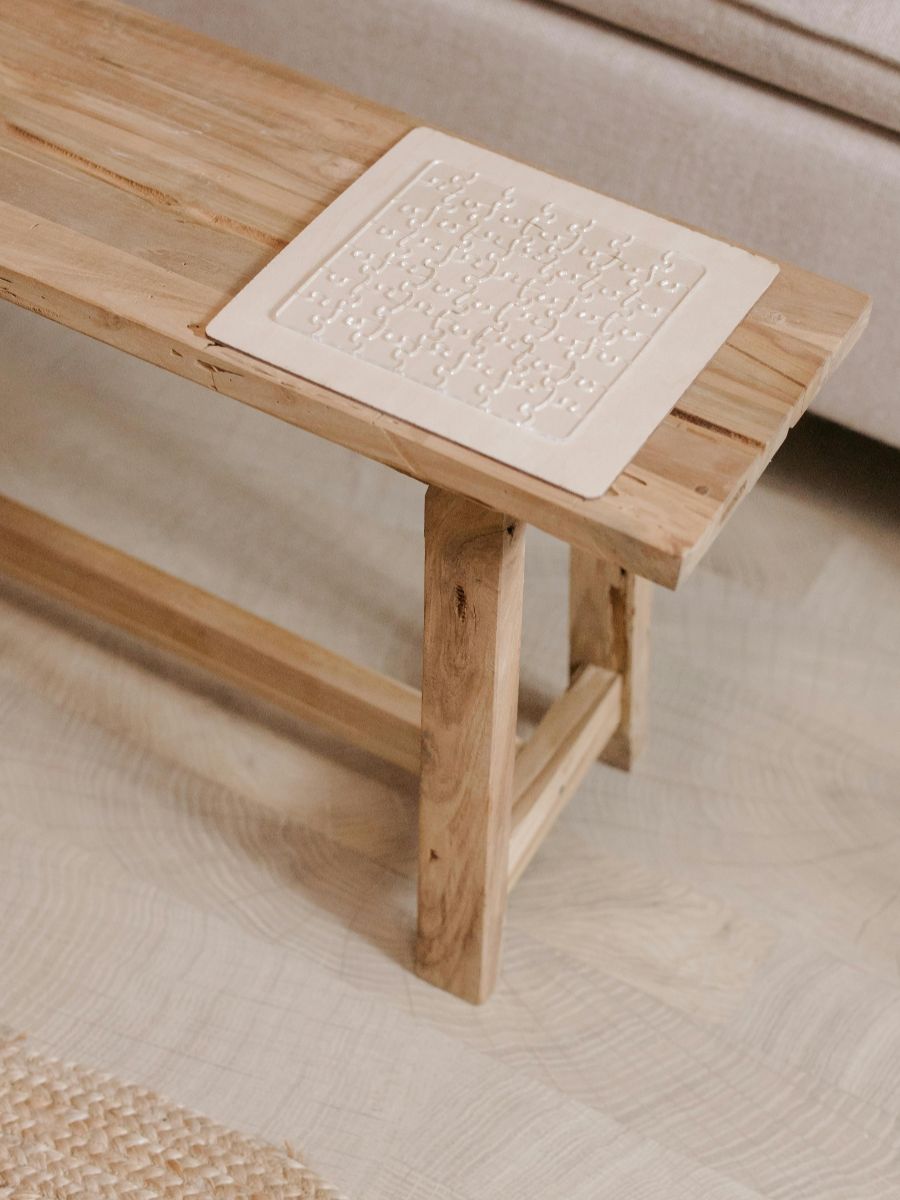
Just as the body benefits from movement, the brain thrives on challenge and play. Doing something that stimulates your mind, whether it’s reading, painting, or working on a puzzle, strengthens focus and creativity while easing stress.
We’ve been loving Completing the Puzzle, the first-ever puzzle rental subscription that delivers high-quality puzzles right to your door. It’s a fun, screen-free way to unwind while giving your brain a boost.
05. Create Daily Bookends
Routines bring rhythm and stability to our days, especially when life feels unpredictable. Creating simple “bookends,” a gentle start and intentional end, can transform how you experience your time.
“A mindful morning routine, even something as brief as noticing the sensation of your feet on the floor when you first wake up or sitting with the sunlight on your face for a few minutes, sets the tone for how you move through your day. Likewise, an evening wind-down that includes dimming the lights, stepping away from screens, or practicing gratitude helps the body and mind transition into rest more smoothly,” says Arati Patel, MA, LMFT, CYT-500, Licensed Marriage & Family Therapist.
Try pairing your morning coffee with a few deep breaths or ending your day by writing one thing you’re grateful for. Small rituals can create meaningful transitions between your busy hours and moments of peace.
6. Keep a Gratitude or Mindful Journal
Writing things down can help you process emotions and stay grounded. Keeping a gratitude or mindful journal encourages you to slow down and focus on what’s good, even on hard days. Try jotting down three things you’re grateful for each morning or reflecting on a positive moment from your day before bed.
This simple act of reflection helps rewire your brain to notice joy and build emotional resilience. Over time, it becomes one of the most powerful self-care practices you can do, a daily reminder of what’s going right.

07. Practice Mindful Eating
So much of our day is spent eating on autopilot — in front of screens, between tasks, or while distracted. Mindful eating invites us to slow down, savor, and connect with the act of nourishing ourselves.
“Rather than eating in front of the computer or TV, aim to eat in a quiet, distraction-free environment. Take 10+ minutes to truly enjoy eating your meal, rather than scarfing it down. Take a moment to truly notice the different tastes, textures, flavours, and aromas. This helps to reduce overeating, increase pleasure and satisfaction derived from our meals, and promote healthy digestion,” says Helen Tieu, RD, MAN, CDE, Founder & Registered Dietitian at Diet Redefined.
Next time you eat, put your phone away, take smaller bites, and appreciate the colors, smells, and textures of your food. It’s a small shift that makes a big difference.
08. Be Gentle With Yourself
Perhaps the most important of all self-care practices is compassion. Some days will feel balanced and productive; others will not. The goal isn’t to do self-care perfectly; it’s to meet yourself where you are.
When life feels heavy, doing something small, like breathing deeply, going for a walk, or turning off your phone, counts. Progress comes from kindness, not perfection. Remember, taking care of yourself makes everything else in life feel more manageable.

Taking care of your mind and body doesn’t require a major lifestyle overhaul. True self-care is about noticing what you need and responding with care, again and again. These small, intentional self-care practices create a foundation of balance, resilience, and peace that supports you through every stage of life.
Ready to keep feeling your best all season long? Explore How to Stay Healthy During Cold and Flu Season next!