The post-wedding blues are real. After months of planning, one unforgettable day, and then… nothing on the calendar. Add to that the pile of sentimental items now sitting in your living room, starting with the question every newlywed eventually asks: what to do with your wedding dress, florals and everything else after the wedding. There’s the bouquet, the menus, the place cards, and it’s easy to feel unsure of what comes next. Do you preserve everything? Let some of it go? Turn it into something new?
We asked wedding industry experts how couples should think about their wedding keepsakes once the celebration wraps, and their advice covers everything from proper preservation to giving new life to old details.
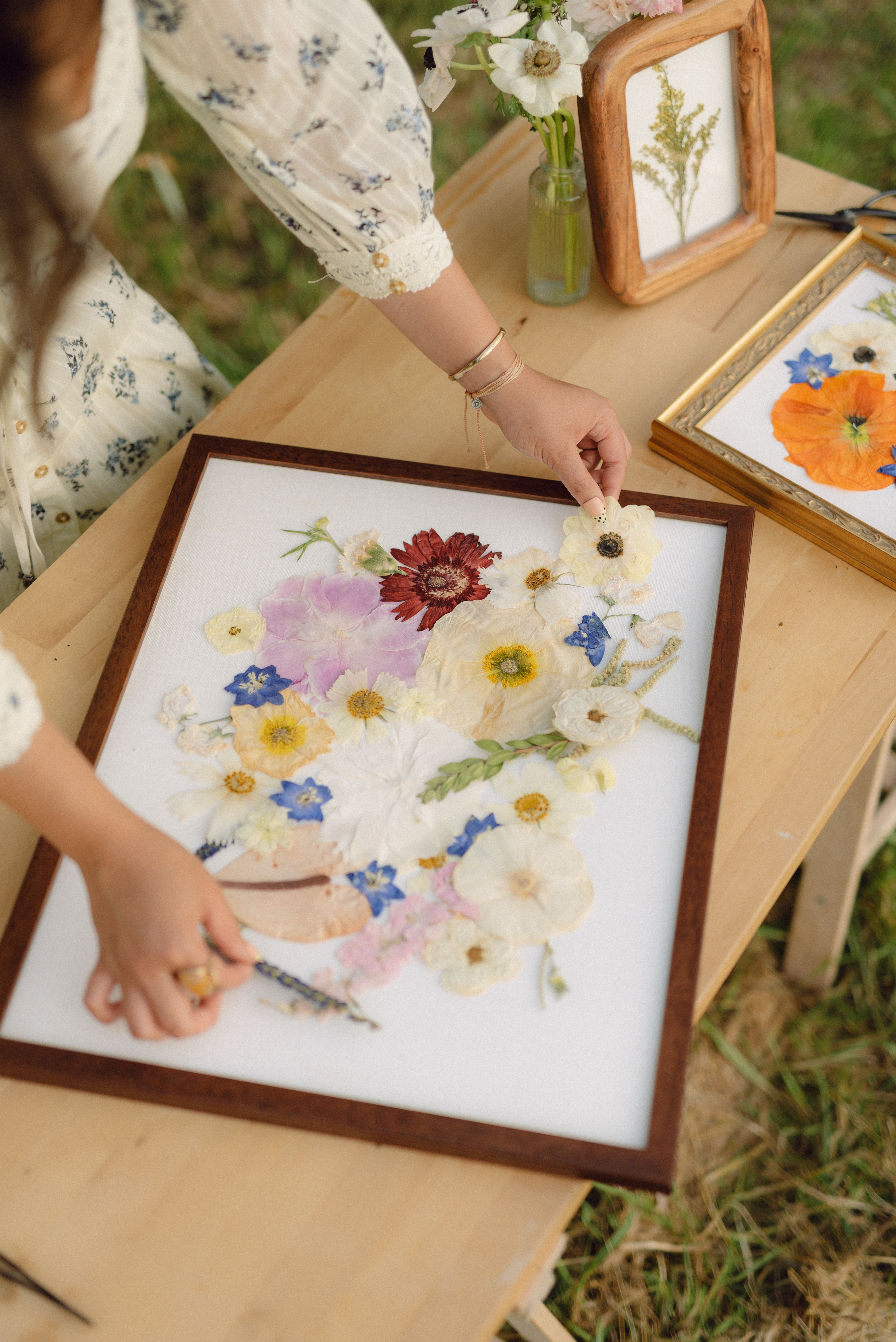
Photo via Hudson Stems
Plan Your Exit Strategy First
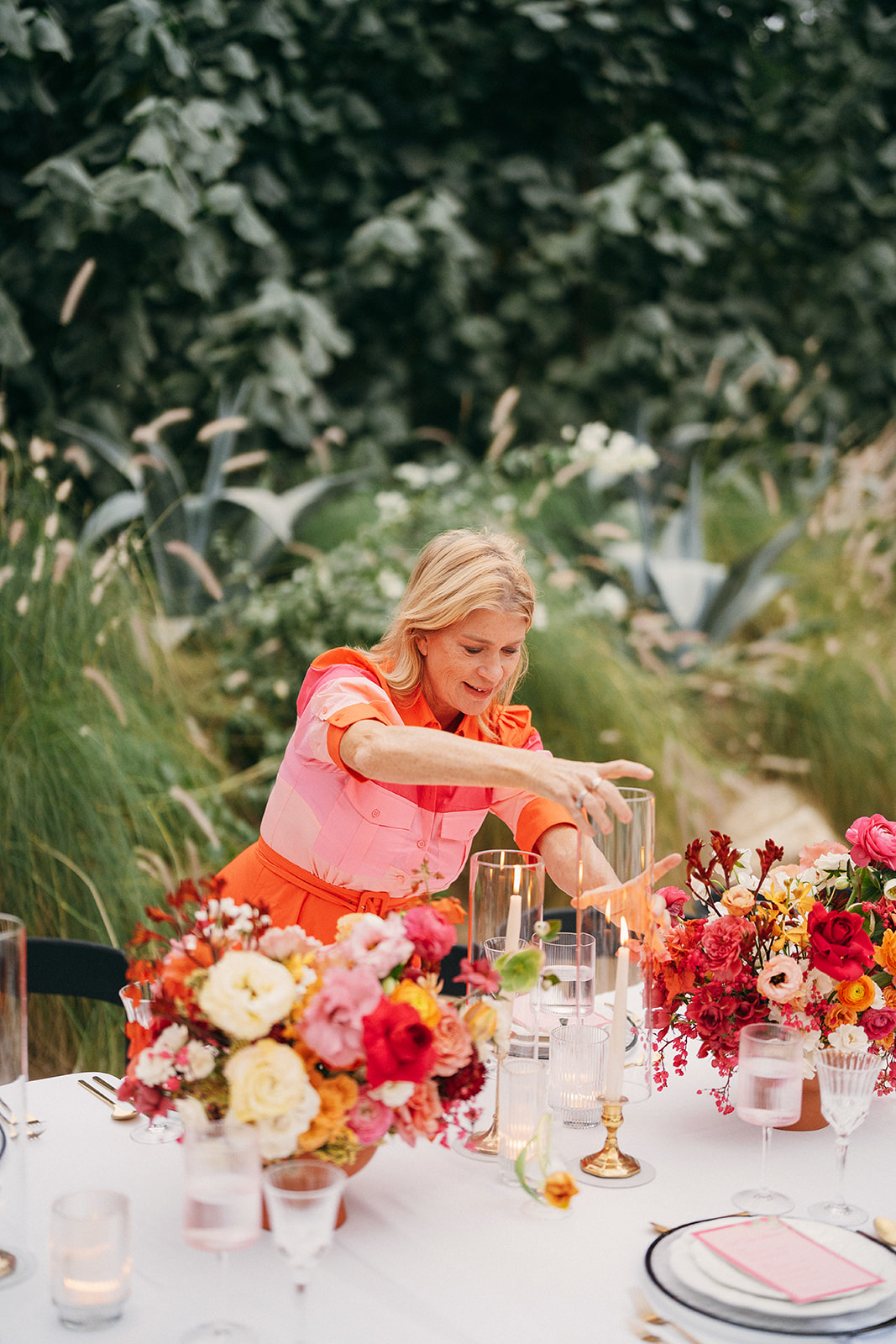
According to Valarie Kirkbride, Founder & Team Manager of Kirkbrides Wedding Planning & Design, the best time to think about what happens to your wedding items is before the wedding, not after. Deciding in advance how you’ll handle your dress, flowers, and other pieces saves time and stress once the celebration is over. Deciding in advance how you’ll handle your dress, flowers, and other pieces saves time and stress once the celebration is over.
Start by making a simple list of who’s taking what. Your dress might go home with your mom or your maid of honor, your bouquet could be sent out for preservation, and any rented decor needs to make its way back to the right vendor. Loop your planner in early too, since they’ll want to know exactly where things should end up: which centerpieces go to which family members, whether the arch gets broken down and stored, what’s being donated versus tossed. The more specific you are, the smoother the handoff.
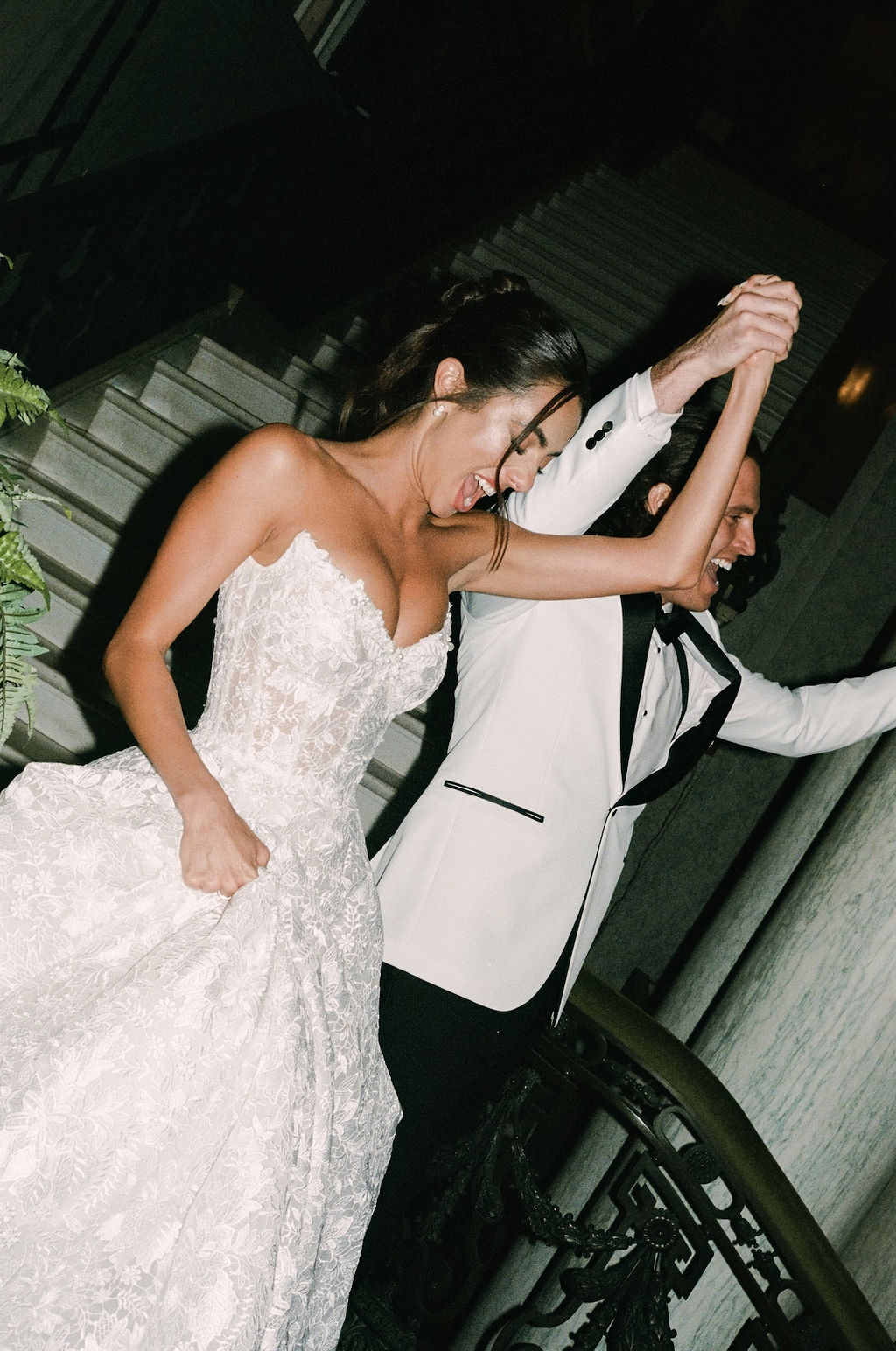
Photo via: Lauren Alatriste Photography
What To Do With Your Wedding Dress
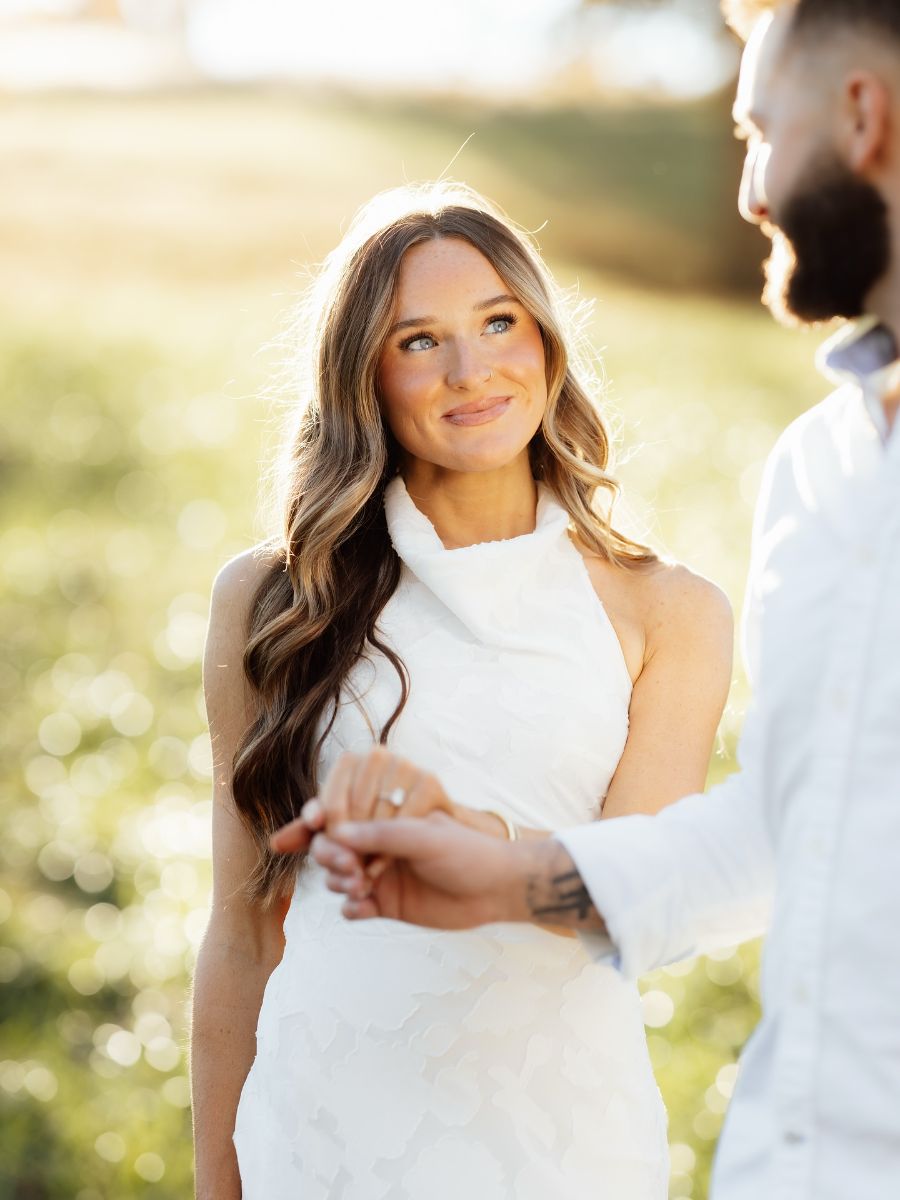
Monica Roma, Founder of Leoeventi, wants brides to give their gown the same care after the wedding that they gave it before. It’s tempting to zip the dress back into its garment bag the morning after and move on, but Roma notes that gowns, particularly those made from delicate or natural fabrics, need proper cleaning and preservation to hold up over time.
Her advice echoes a piece of old-fashioned wisdom: don’t hang a heavy gown in the closet for years, since its own weight can strain the shoulders and seams over time. If you’re keeping the dress, Roma recommends professional cleaning followed by storage in an archival-quality box, layered with acid-free tissue paper, no vacuum bags, no repurposed cardboard. As she puts it, a wedding gown has lived an important day alongside its wearer, and deserves to be put away with care once that day is done.
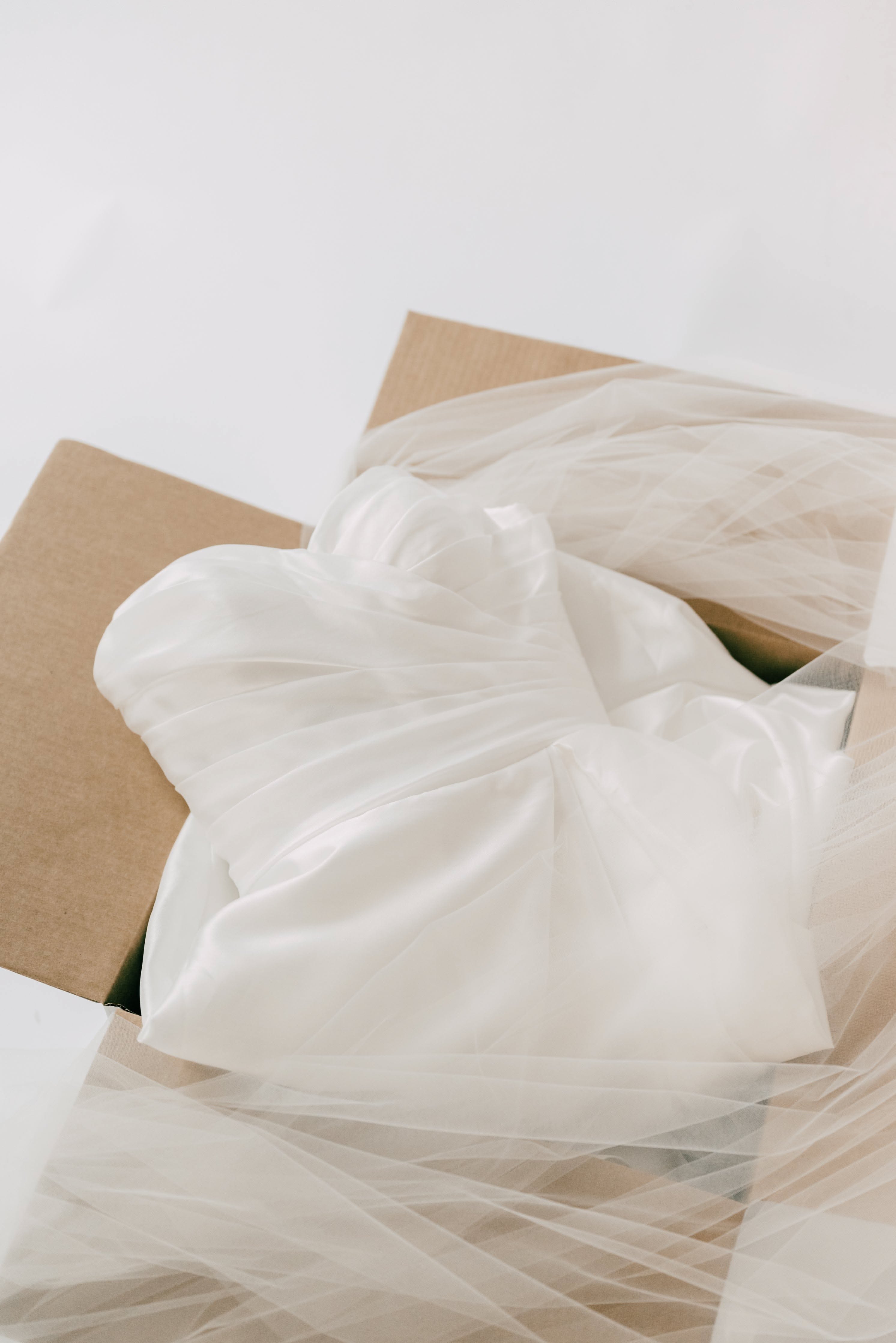
Photo via Luxe Redux Bridal
What To Do With Your Wedding Flowers
For couples who want their florals to last well beyond the reception, Miriam Martinez, Founder of Hudson Stems, offers an alternative to composting or donation: preservation as art. Couples nationwide mail or drop off their sentimental wedding flowers to Hudson Stems, where the team dries and presses them, a process Martinez says varies flower to flower, built on years of hands-on knowledge about how different blooms respond to drying.
The process stays collaborative through the finish line. Once flowers reach the mockup stage, couples receive a preview and can request edits until they approve the final design, then choose from a range of frames and styles to complement it. The result is a custom piece of sentimental art, tailored to the couple’s specific flowers and taste.
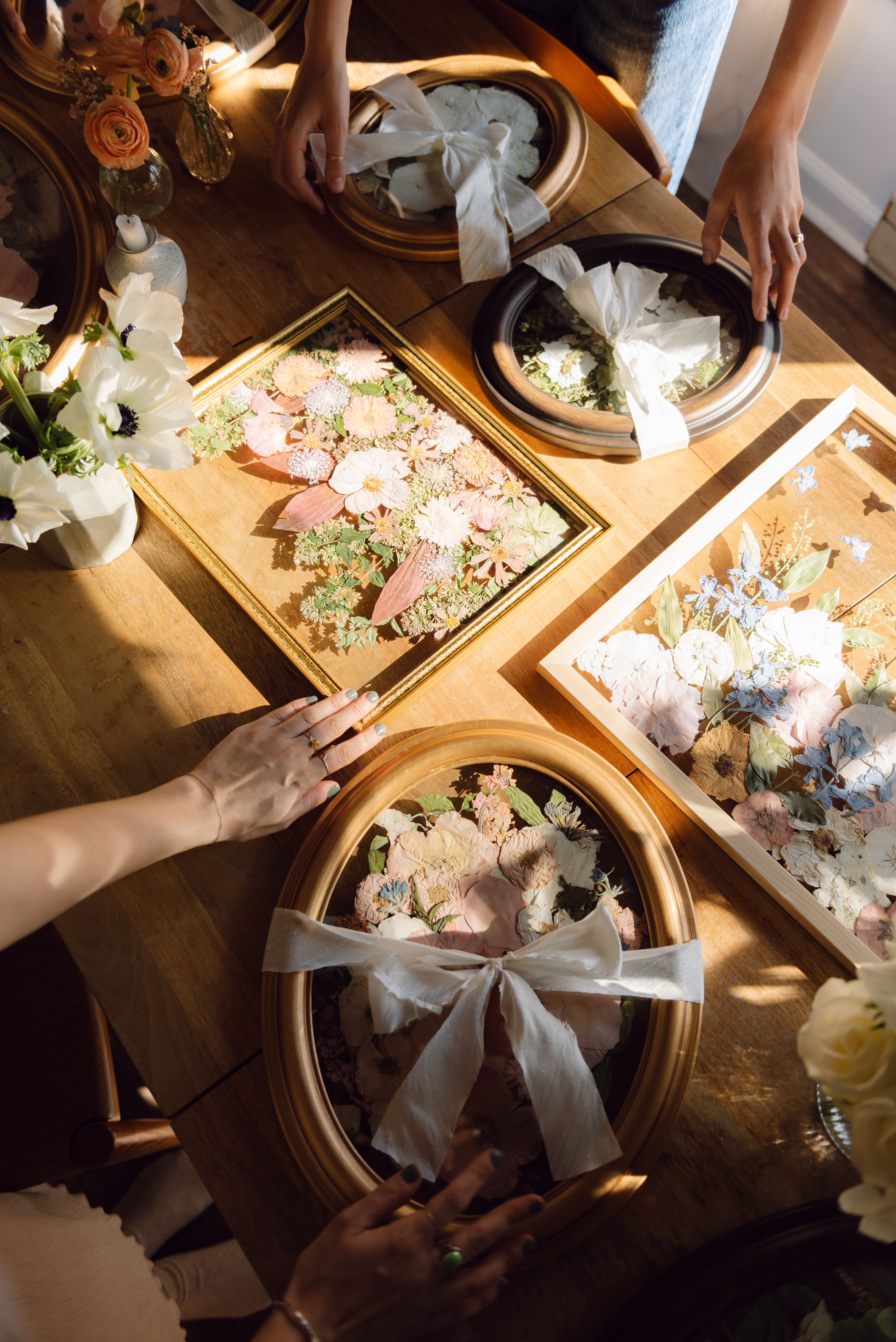
Photo via Hudson Stems
Choose Keepsakes You’ll Actually Use Again
Not every wedding item needs to be boxed up and tucked away, says Amy Abbott, Owner & Creative Director of Amy Abbott Events. Some of the most meaningful keepsakes are the ones that stay part of a couple’s everyday life, worn again, displayed at home, or brought out for future gatherings.
Abbott points to a recent example: a bride who commissioned an artist to hand-paint motifs for her place cards and menus. Afterward, clean versions of the artwork, without guests’ names, were framed individually and now hang together in the couple’s living room, turning a one-day detail into a permanent piece of home decor. The same philosophy applies to heirlooms, Abbott says. One of her brides reworked her mother’s wedding dress to wear during her own wedding weekend, proving an heirloom doesn’t need to stay exactly as it was to hold onto its meaning. Jewelry can be worn again, custom linens can reappear at future dinner parties, and ceremonial pieces can carry forward into family traditions.
Abbott’s biggest piece of advice: decide what you want to keep before the wedding day itself. Breakdown happens fast, and your planner needs to know in advance which pieces, the bouquet, the menus, the linens, the artwork, should be saved, and who’s taking them home. Not everything needs to be kept. The goal, she says, is holding onto the pieces with a story, the ones you can picture having a place in your life years down the line. As Abbott puts it, the best wedding heirlooms aren’t the things that sit untouched in a box, they’re the things that keep being used, worn, displayed, and passed forward.
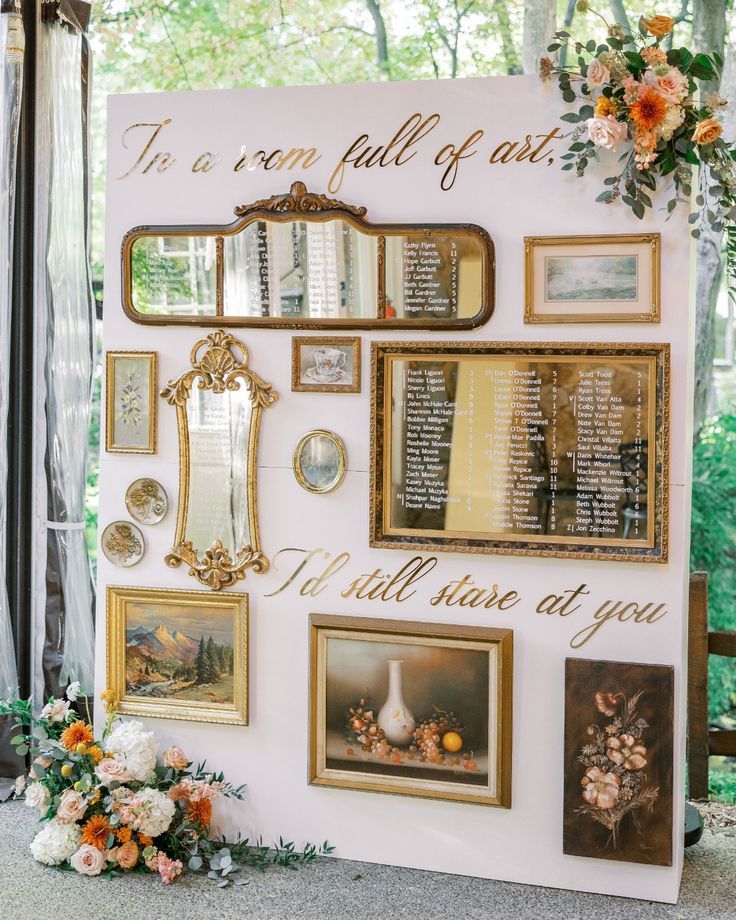
Photo via Katie Trauffer Photography
Whether it’s a gown headed for professional preservation, flowers turned into framed art, or place card artwork reborn as living room decor, the throughline from every expert is the same: a little planning goes a long way. Decide early what matters most to you, handle it with care, and don’t be afraid to let the rest go.
For more post-wedding planning tips check out 6 Things You Need To Do After Your Wedding.