When couples think about hiring a wedding planner, they often picture someone running the timeline and coordinating vendors. And while that is certainly part of the job, it only scratches the surface. On the wedding day itself, a planner is managing countless moving parts behind the scenes to keep everything feeling seamless, calm, and beautifully on track.
To give us a true look at what that work really involves, we asked two seasoned pros to walk us through what a typical wedding day looks like from their perspective.
The Experts
Paige Freiss, Lead Planner, Elegante Weddings & Events in Chicago, IL
Amy Abbott, Owner & Creative Director, Amy Abbott Events in Cabo, MX
THE MORNING
For wedding planners, the day starts early, because the way a wedding morning unfolds often sets the tone for everything that follows.
Prep the Venue
One of the first priorities is getting eyes on the venue and assessing what is already in place before the rest of the day picks up speed. As Abbott explains, “We arrive early to review everything in real time. Not just the timeline, but how the day will actually unfold. We walk the property, check what has already been installed, and flag anything that needs to be adjusted or completed before vendors begin arriving again.”
That early walkthrough quickly turns into hands-on prep. “From there, we unpack personal items, organize paper goods for photography, set up anything the couple has entrusted us with, and reset the getting ready space so it functions once hair and makeup, photography, and family are all inside,” Abbott adds.
Check in on the Couple
Of course, the couple is also top of mind from the very beginning. For Freiss, that often means handling the little things that make a big difference in how the morning feels. “During the morning shift we have steamed dresses, ordered caffeine, provided boob tape, ordered IV’s, checked on the groomsmen’s hydration and much more,” she says.
Check in on Onsite Vendors
At the same time, wedding planners are keeping a close eye on every vendor and every moving piece as setup begins. Freiss explains that this means much more than a quick check-in. “From confirming that hair and makeup are running on schedule to checking in with the floral team if personal flowers are delayed, each detail is tracked with precision so our couples can remain fully present in the moment and blissfully unaware of any delays.”
She also notes that staying on schedule sometimes requires jumping in wherever needed. “Upon arrival, I connect with every vendor partner to ensure that the entertainment is setting up, the floral and décor team’s install is on schedule, and all logistics are unfolding according to plan. Sometimes that means stepping in wherever needed: moving tables, standing in multiple spots to ensure the perfect lighting or even holding a parking space for a vendor to keep the timeline uninterrupted.”
Vendor Deliveries
As the day progresses, more essential pieces begin arriving. Abbott explains that this is often when the biggest issues first surface: florals are delivered, transportation is confirmed, and missing or delayed items have to be addressed. The wedding planner’s job is to solve those problems quickly and quietly, without pulling the couple out of the moment unless necessary.
Reception Setup
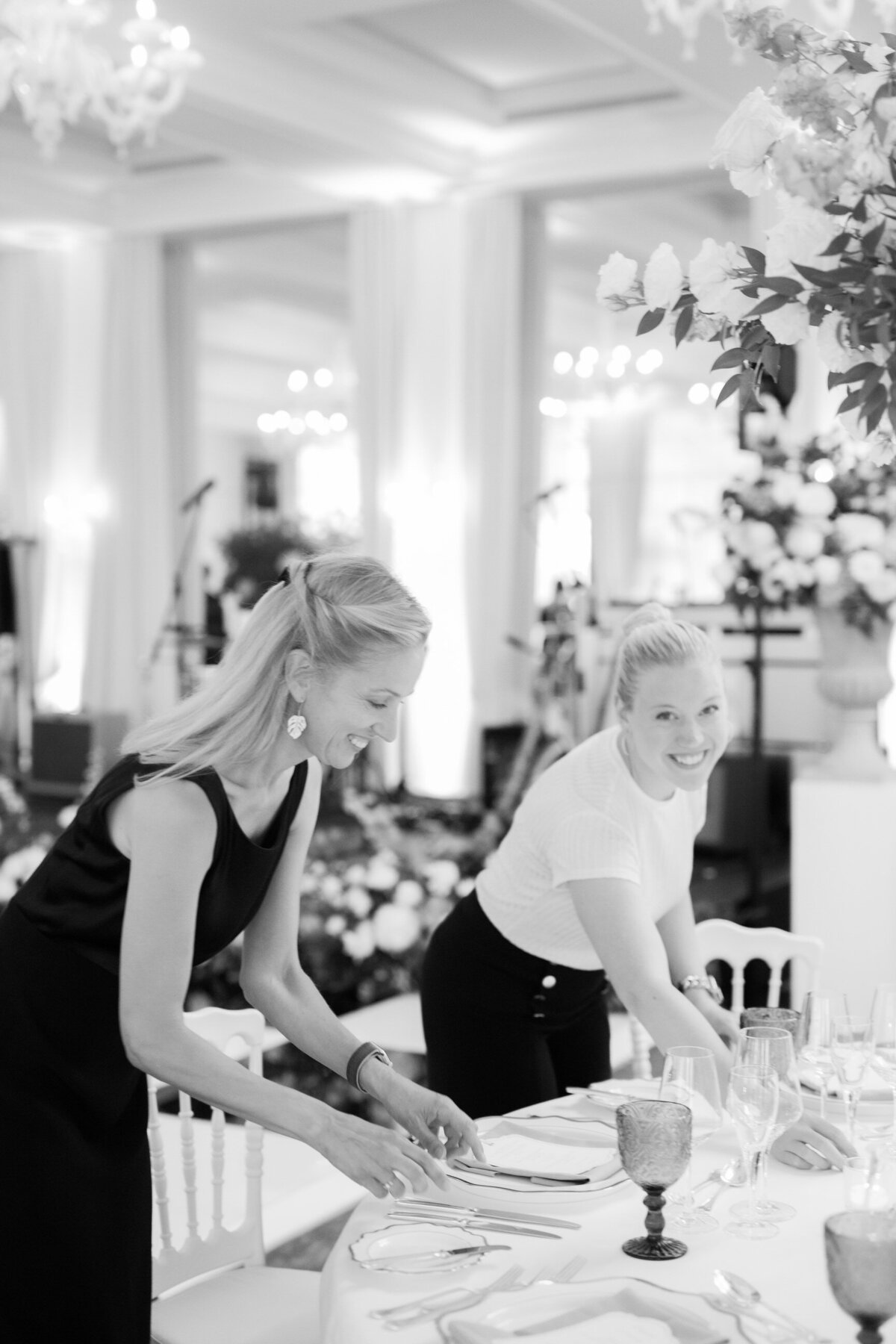
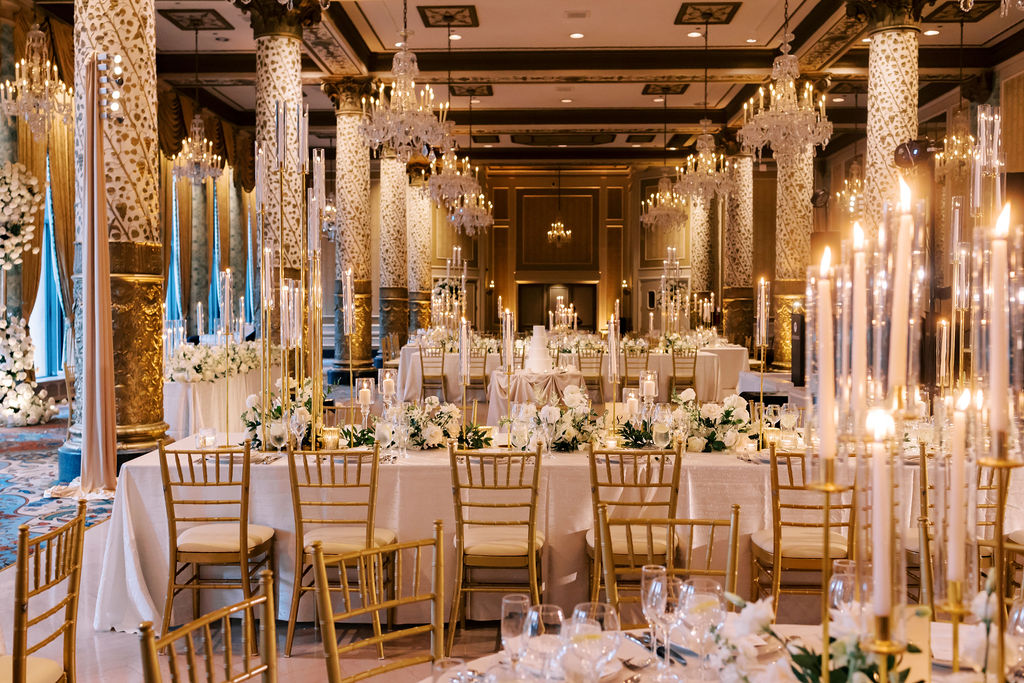
While all of that is happening, the reception space is also coming to life. Freiss says this part of the day requires an incredibly detailed eye: “As the reception space comes together, we meticulously review each table: counting chairs, aligning place settings, dimming lights and perfecting every detail down to the last piece of flatware.”
SHOWTIME
Once the morning setup is complete, the focus shifts from preparation to execution.
Pre-Ceremony Encouragement
Right before the ceremony, wedding planners are often part logistics lead, part calming presence. Freiss shares, “I’ve pinned a loose curl, smoothed a veil, and offered reassuring words to a bride, or even a proud, emotional parent, just moments before the ceremony begins.”
Abbott adds that this portion of the day is one of the most important transitions to manage well. While the wedding party is lined up, family members are placed, vendors are cued, and guests are guided into the ceremony space, the couple also has to be protected from distraction so they can stay present.
Shift Focus
Even during the ceremony, wedding planners are already thinking several steps ahead. Freiss says, “As vows are exchanged, my focus shifts to what comes next: ensuring cocktail hour is flawlessly prepared, escort cards are in place despite the breeze, and every candle is lit to create the perfect ambiance.”
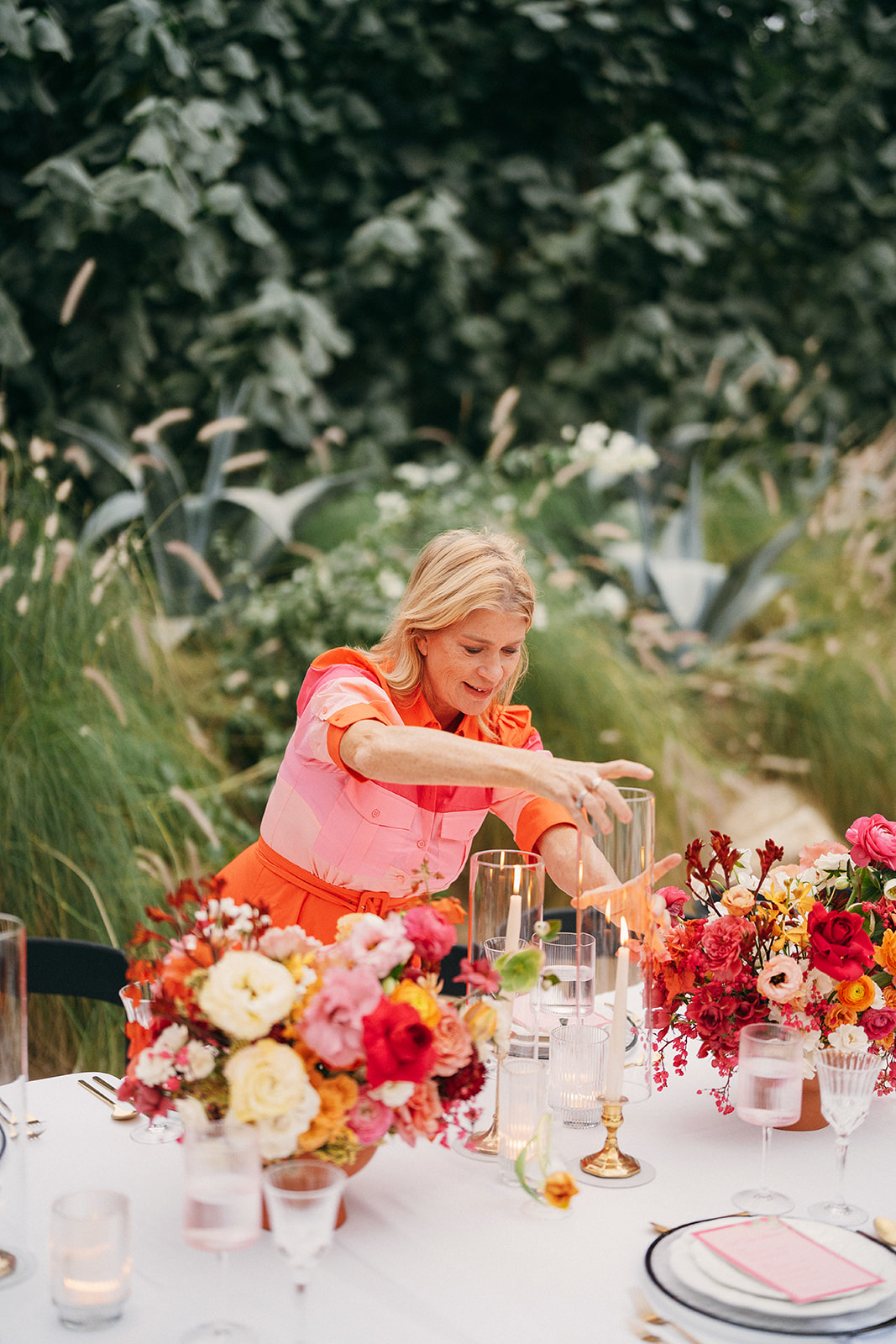
Abbott describes a similarly immediate pivot. As guests move into cocktail hour, attention turns fully to the reception space, where place settings are rechecked, rentals are confirmed, lighting is adjusted, and every table is reviewed again so the room feels exactly right.
Reception Reveal
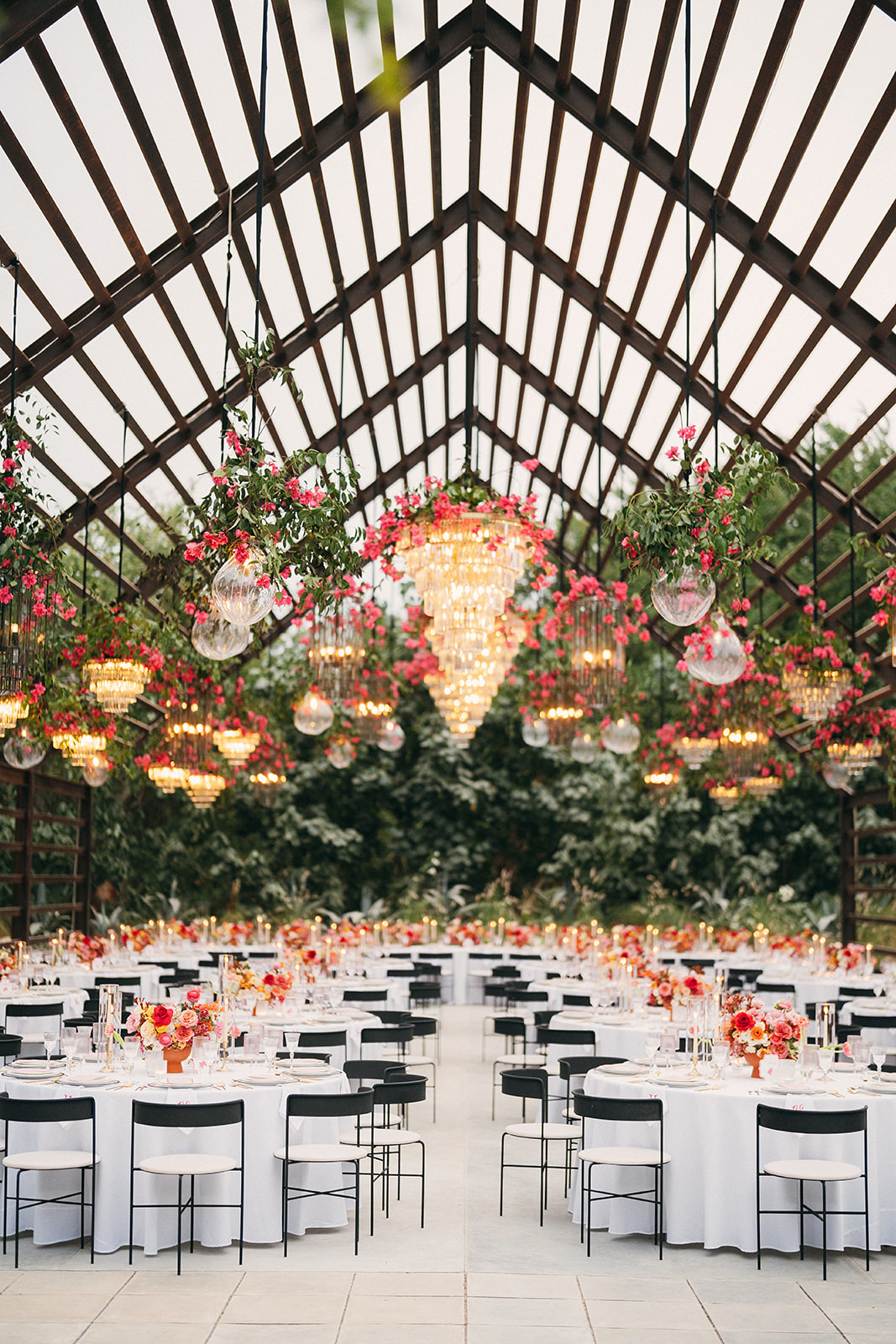
One especially meaningful moment is the reception reveal, when the couple gets to see the space before guests fully settle in. Freiss explains, “Just before the reception reveal, I coordinate with vendors to clear the space, allowing for that pristine first look, and often, a quiet, intimate moment for the couple to take it all in together.”

THE PARTY
While the reception may look like pure celebration from the outside, planners are still working constantly behind the scenes.
Checking in on Guests
As the party gets underway, wedding planners are often fielding guest needs as quickly as they arise. Freiss says that can mean anything from handing over a phone charger or safety pin to assisting a guest who is not feeling well.
Consistent Evaluation
Even once the dance floor opens, the work never really stops. Freiss shares that she is often refining the timeline as the night unfolds. “Throughout the evening, I continuously refine the timeline in real time, keeping the band, photographer, and all vendors in sync, just in case a speech runs long or entrees are delayed,” she says.
And while guests are dancing, there is still cleanup and preparation happening quietly in the background. Freiss notes that she is often packing up late-night treats for the couple and gathering personal items to ensure nothing gets left behind.

Ultimately, as Abbott puts it, a planner’s role is about far more than simply following a schedule. “We are not simply following a timeline. We are managing it all day,” she says. “When a wedding feels calm, well-paced, and natural, it is because every moving part has been accounted for and handled as it happens.”
For more wedding planning advice and timeline guidance, check out what the experts had to say about The Ultimate Bridal Beauty Timeline.