When you’re scrolling social media or saving wedding inspiration late at night, it’s easy to get swept up in the pretty details, the fashion-forward moments, and the kind of design that makes you stop mid-scroll. But behind every beautifully styled wedding weekend is something much deeper than a good color palette: a team that knows how to bring it all to life.
To better understand what really goes into designing a cohesive and unforgettable wedding weekend, we sat down with Natalie Good, Founder & Creative Director of A Good Affair, to talk through the creative process behind one of her recent wedding weekends for Alex and Marvin. From an oceanfront welcome party to a dramatic reception transformation, this celebration is a perfect example of how a wedding weekend can feel layered and elevated from beginning to end.
Start With the Couple
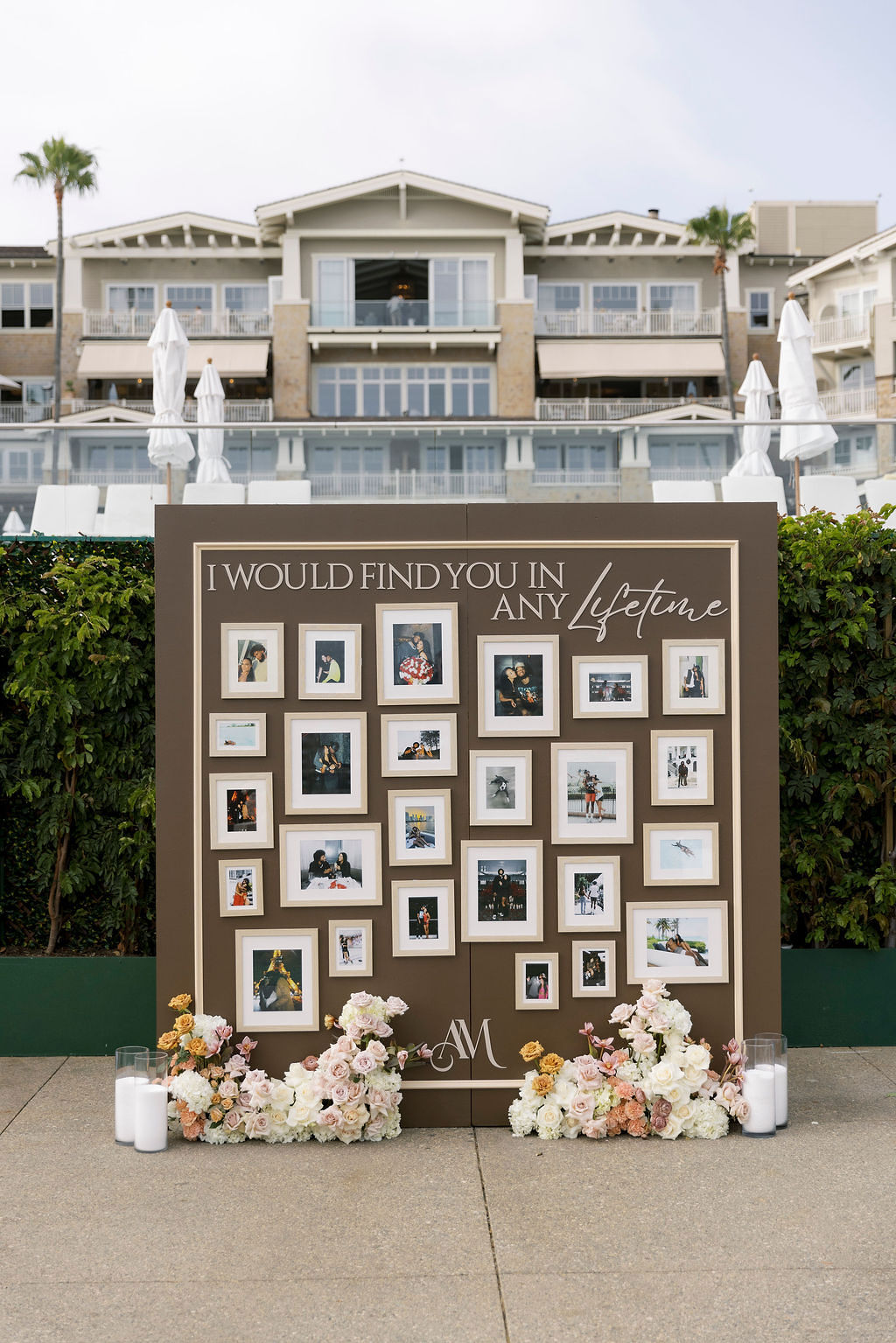
For Natalie, the design process always begins with the couple themselves. For her clients, Alex and Marvin, the goal was to create a weekend that felt like a true reflection of who they are: stylish and fun. The overall vision blended contemporary design with romantic floral elements that nodded to Alex’s Southern roots. The strongest design concepts don’t start with what’s trending; they start with the personality of the couple.
Set the Tone Early
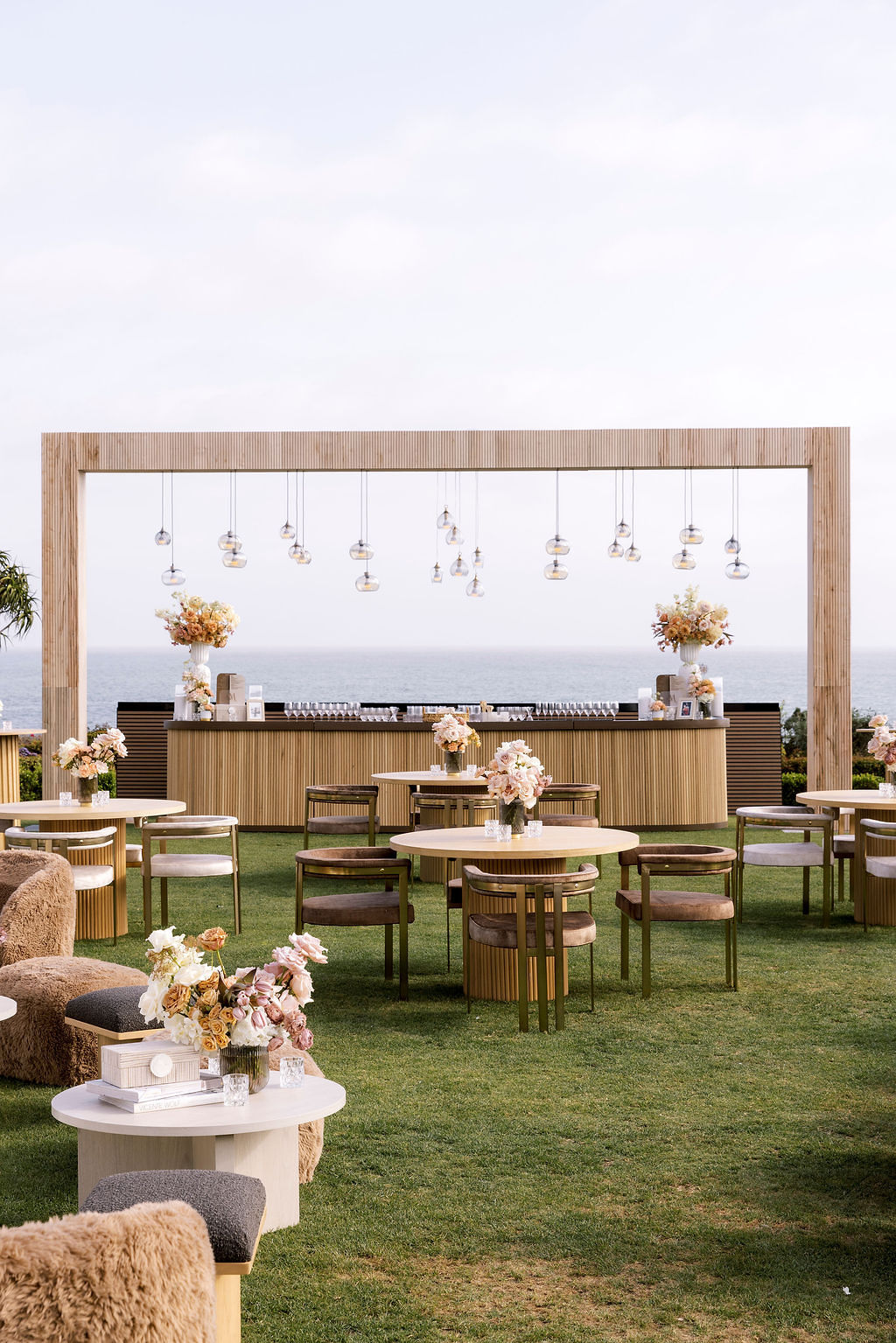
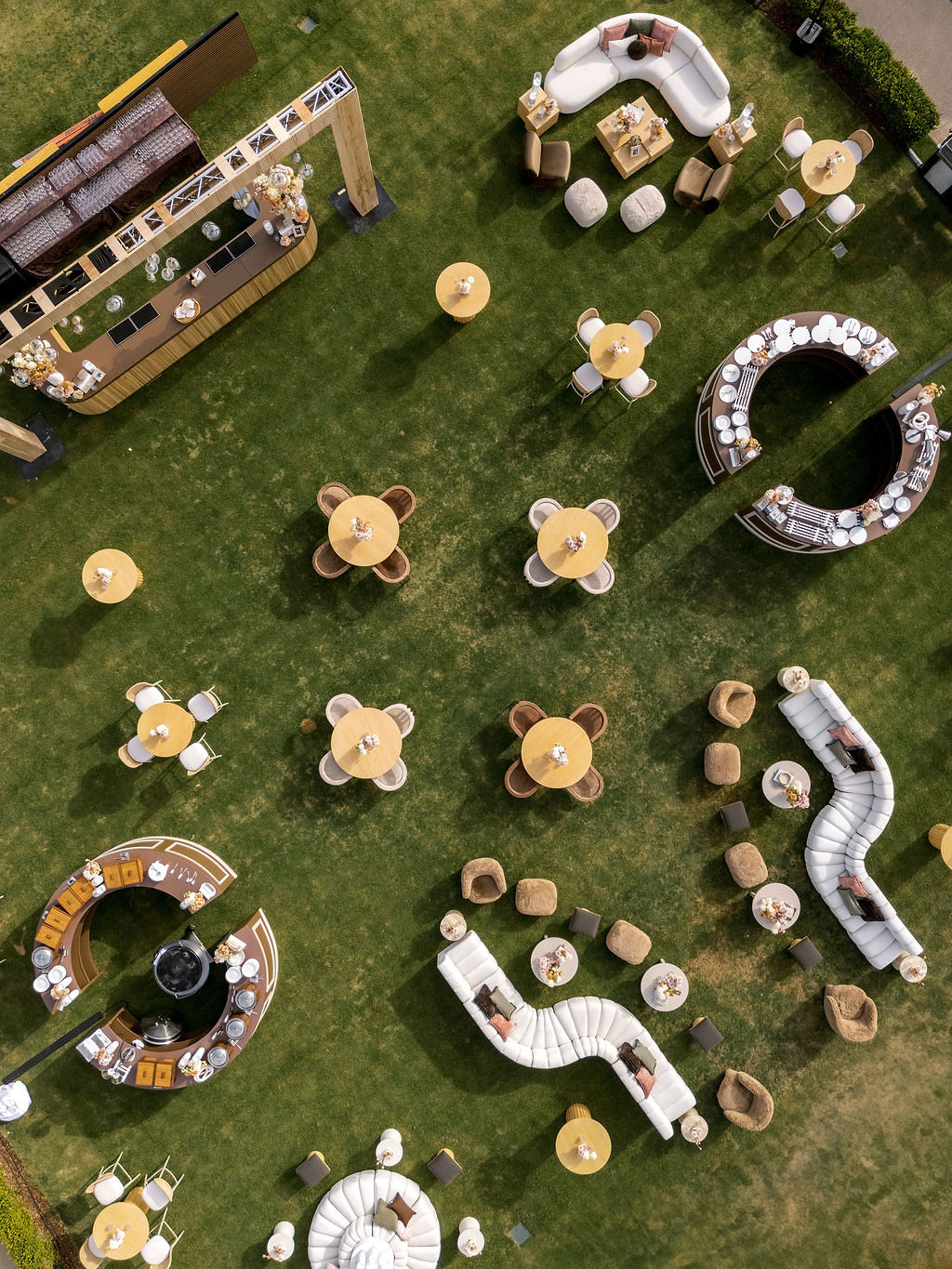
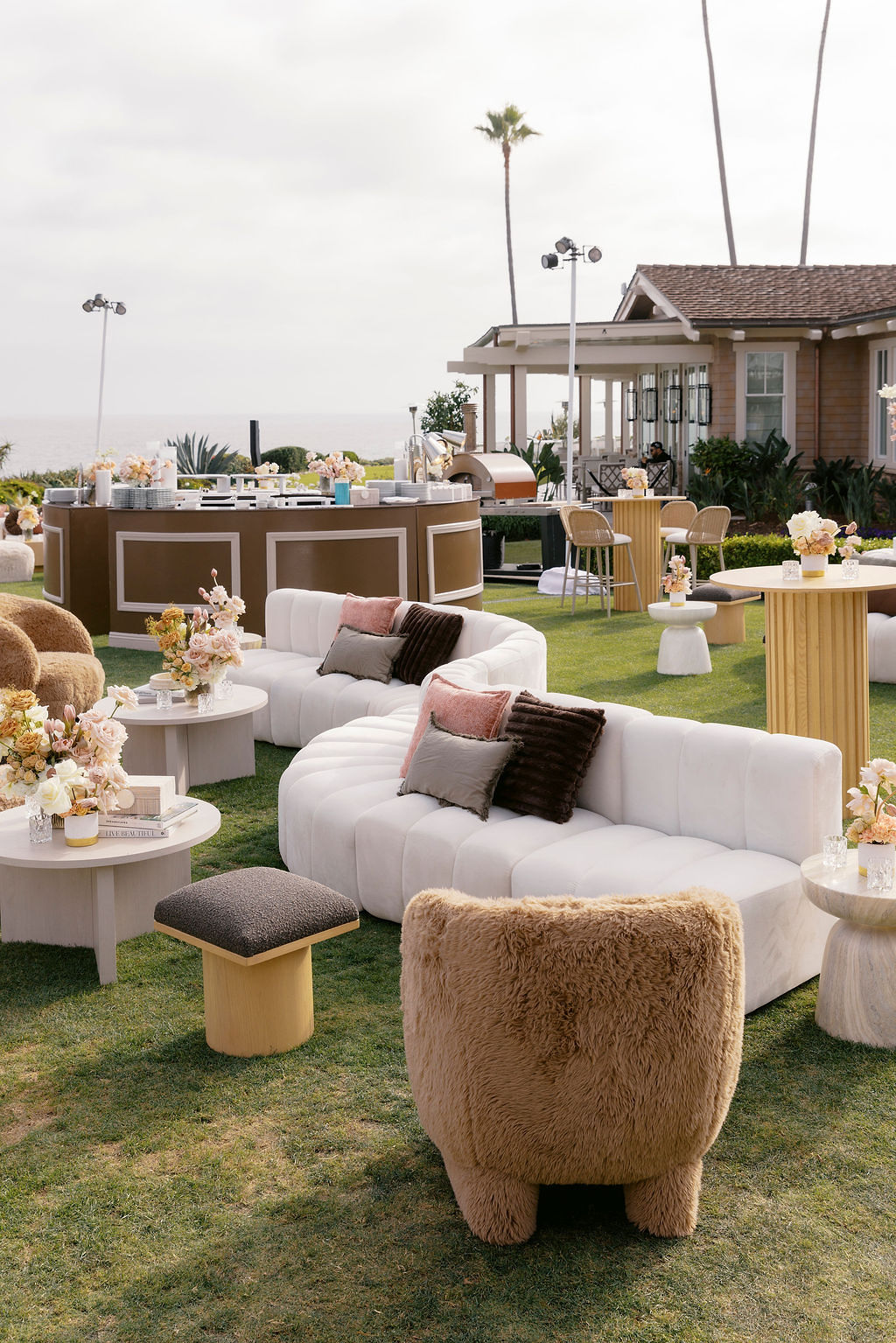
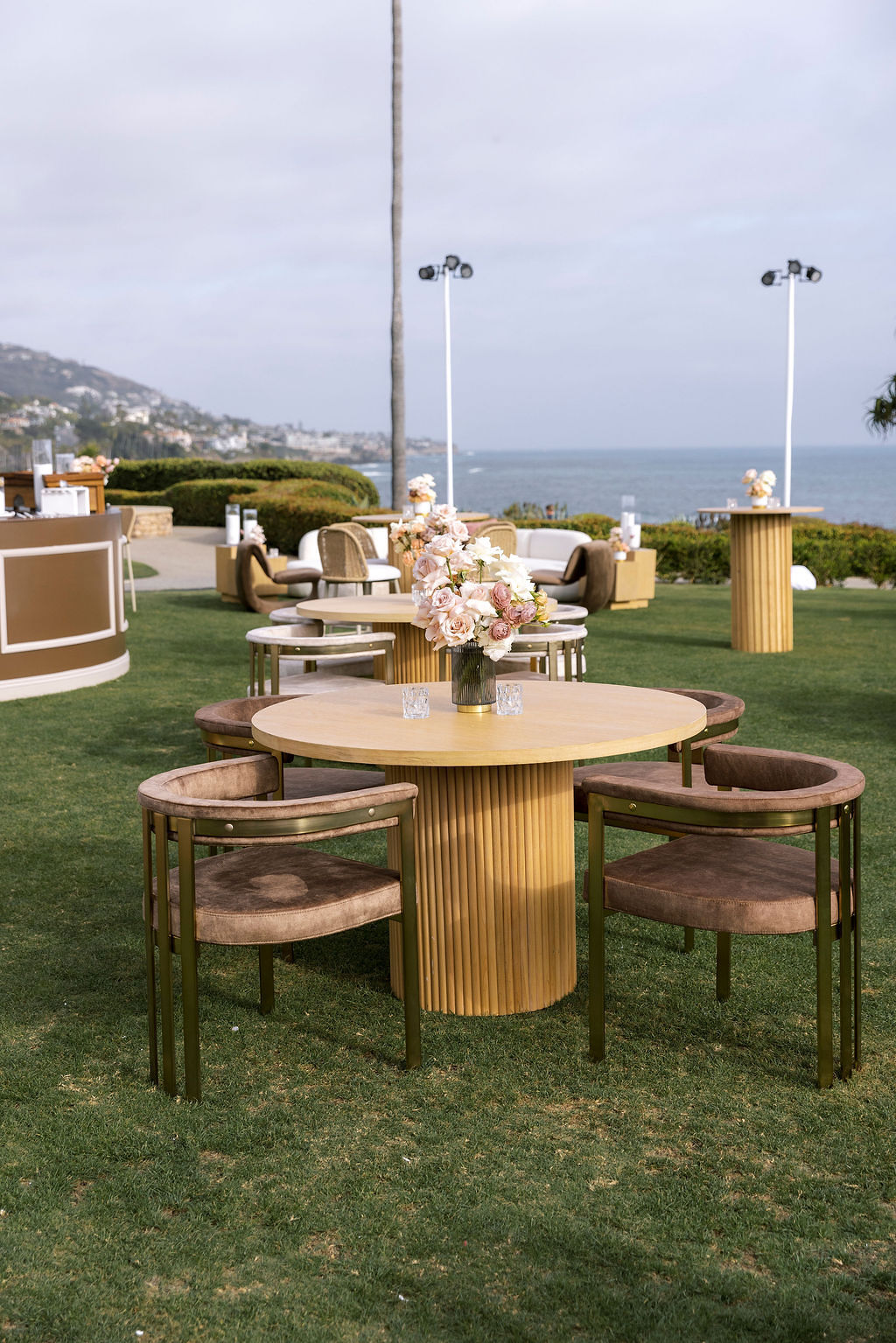
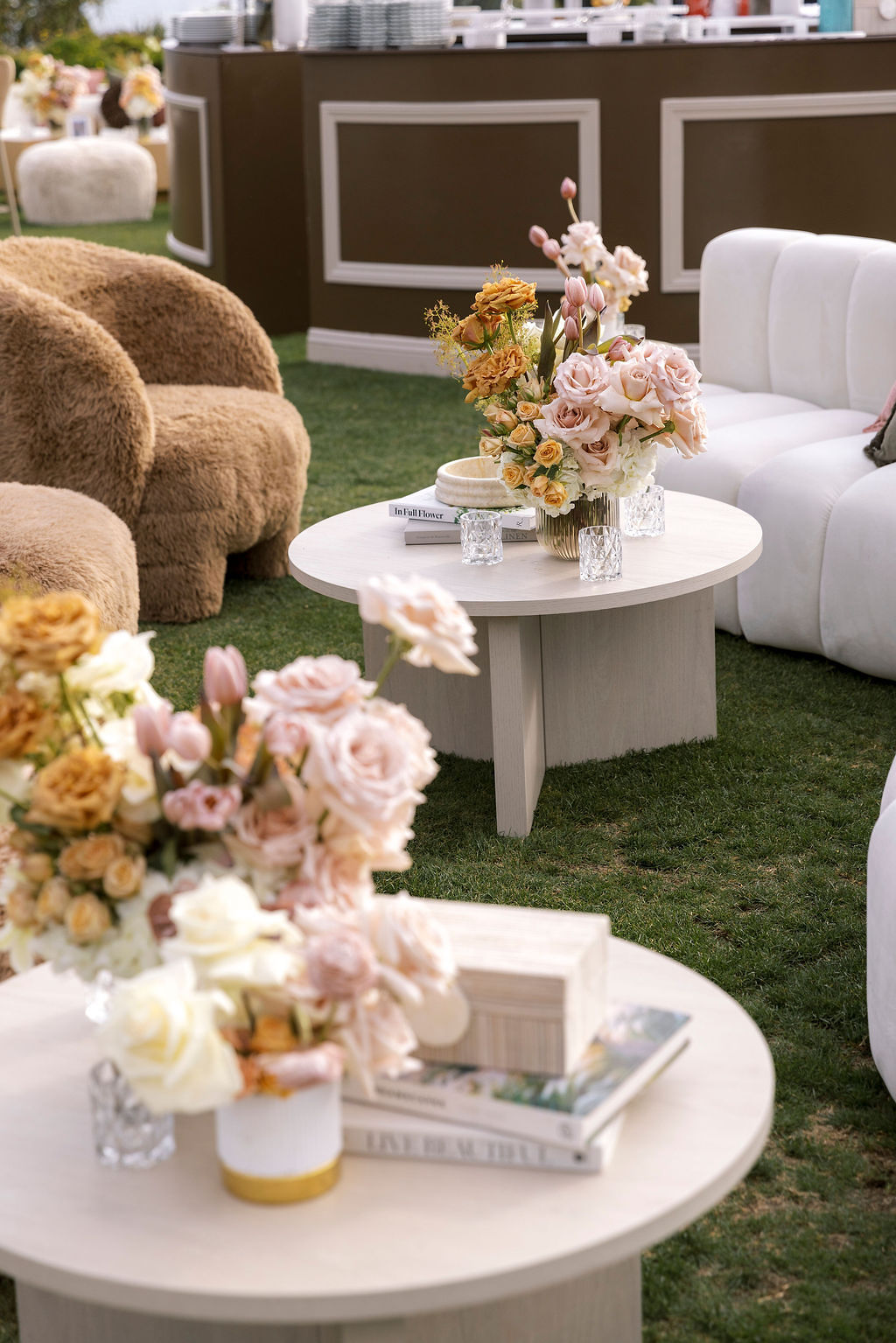
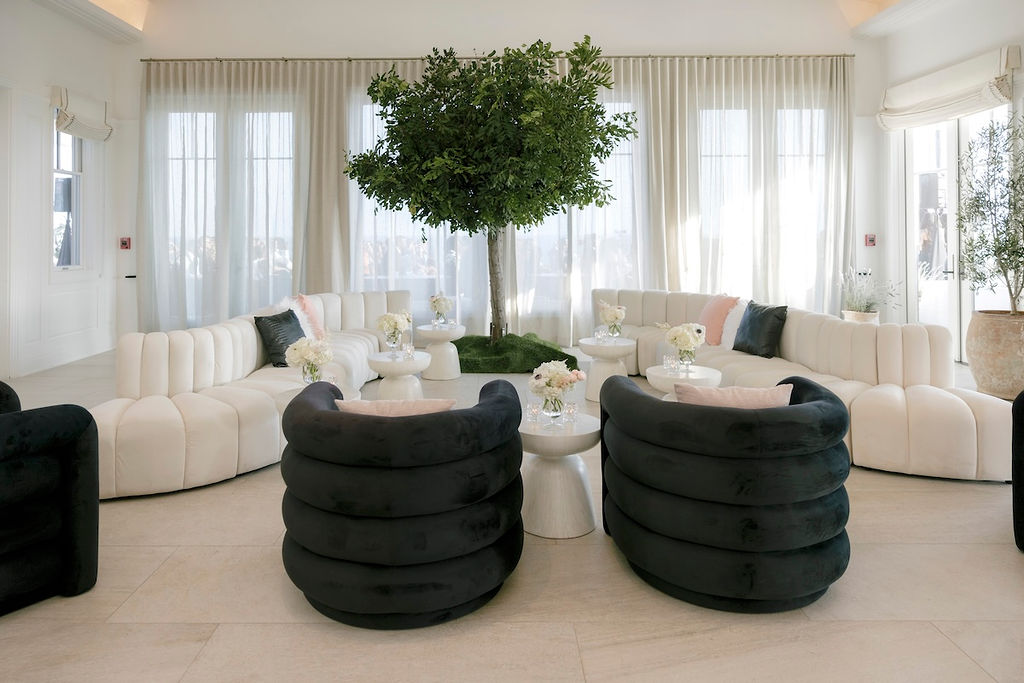
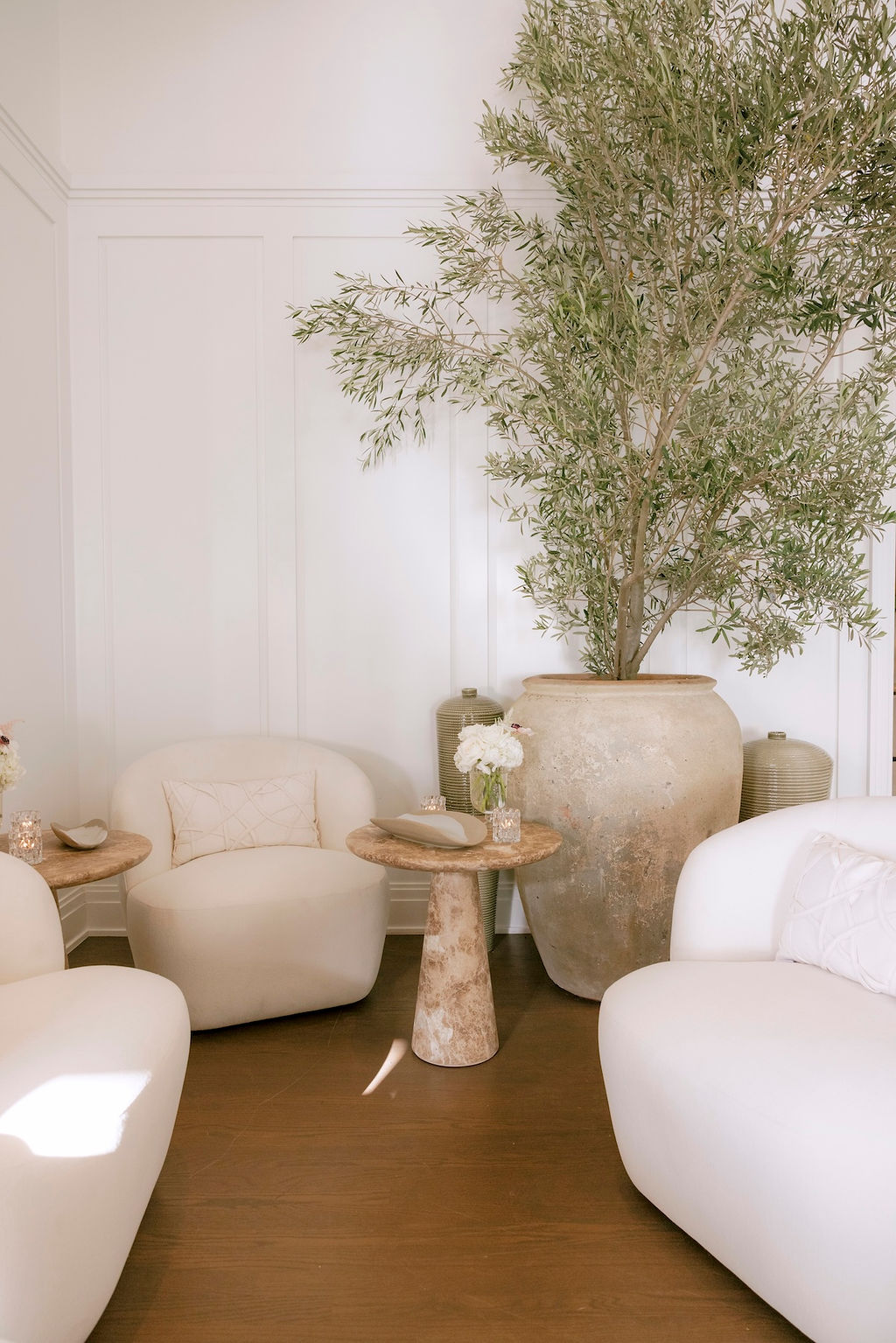
One of the first design decisions Natalie made was to give the welcome party its own strong identity. Set against an oceanfront backdrop, the event embraced a modern California summer feel with a neutral and chocolate brown palette that immediately welcomed guests into the weekend. Then, for the wedding day itself, the design shifted into a classic black-and-white palette with greenery, interpreted through a more modern lens.
Rather than making every event match exactly, Natalie prefers to let each celebration have its own personality while still feeling connected to the bigger story. It’s this approach that keeps a each event in a wedding weekend distinct, but tying in an overarching aesthetic.
Why the Welcome Party Matters
If there was one standout takeaway from Natalie’s perspective, it’s this: welcome parties are having a major moment. She believes couples are investing more intentionally in these opening events, and for good reason. The welcome party sets the tone for the entire weekend. It’s where guests arrive, relax, connect, and begin stepping into the world the couple has created.
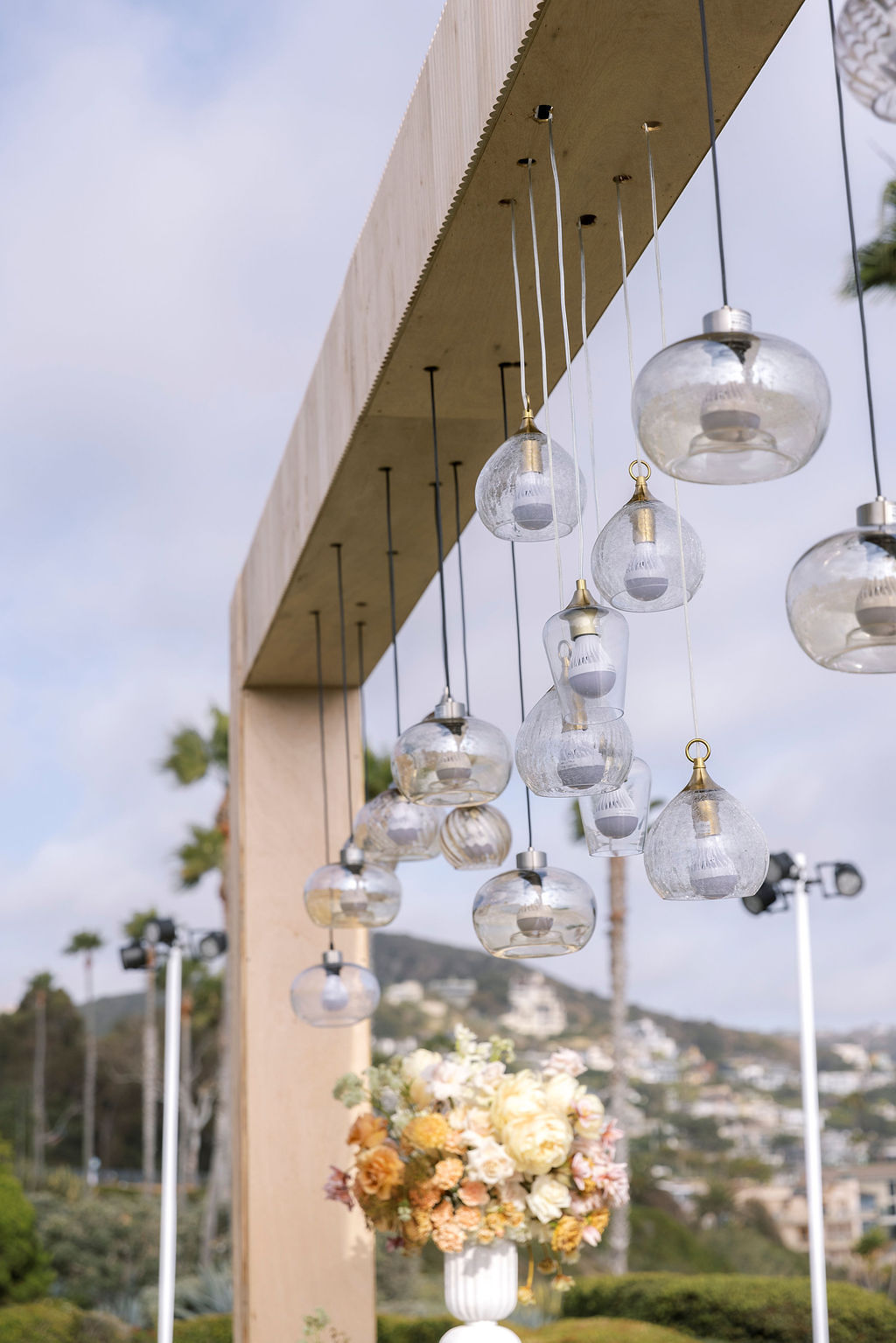
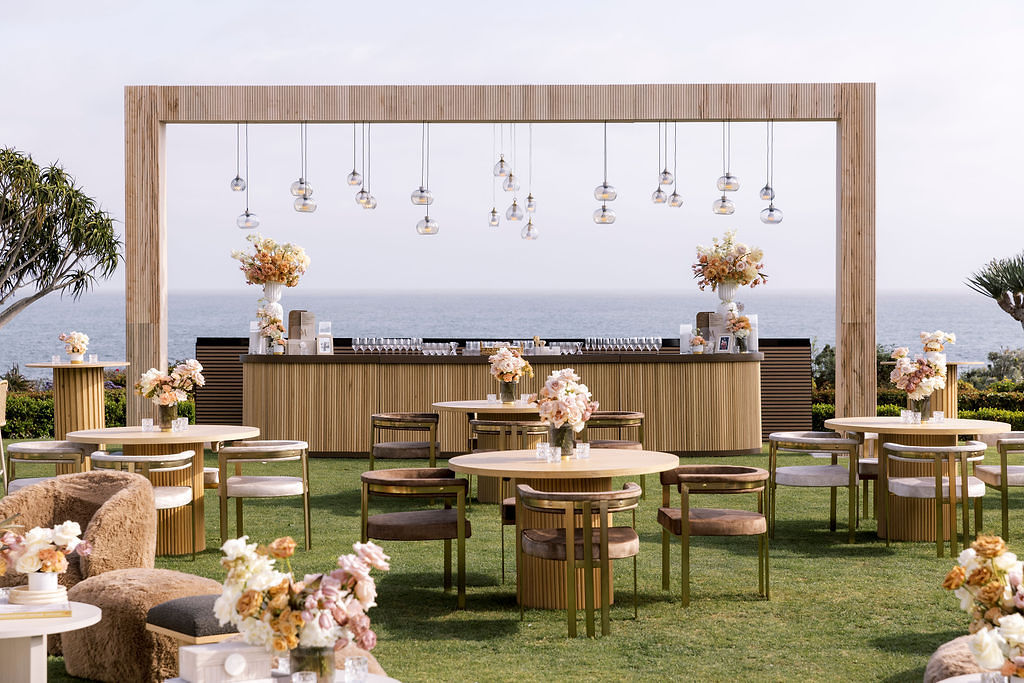
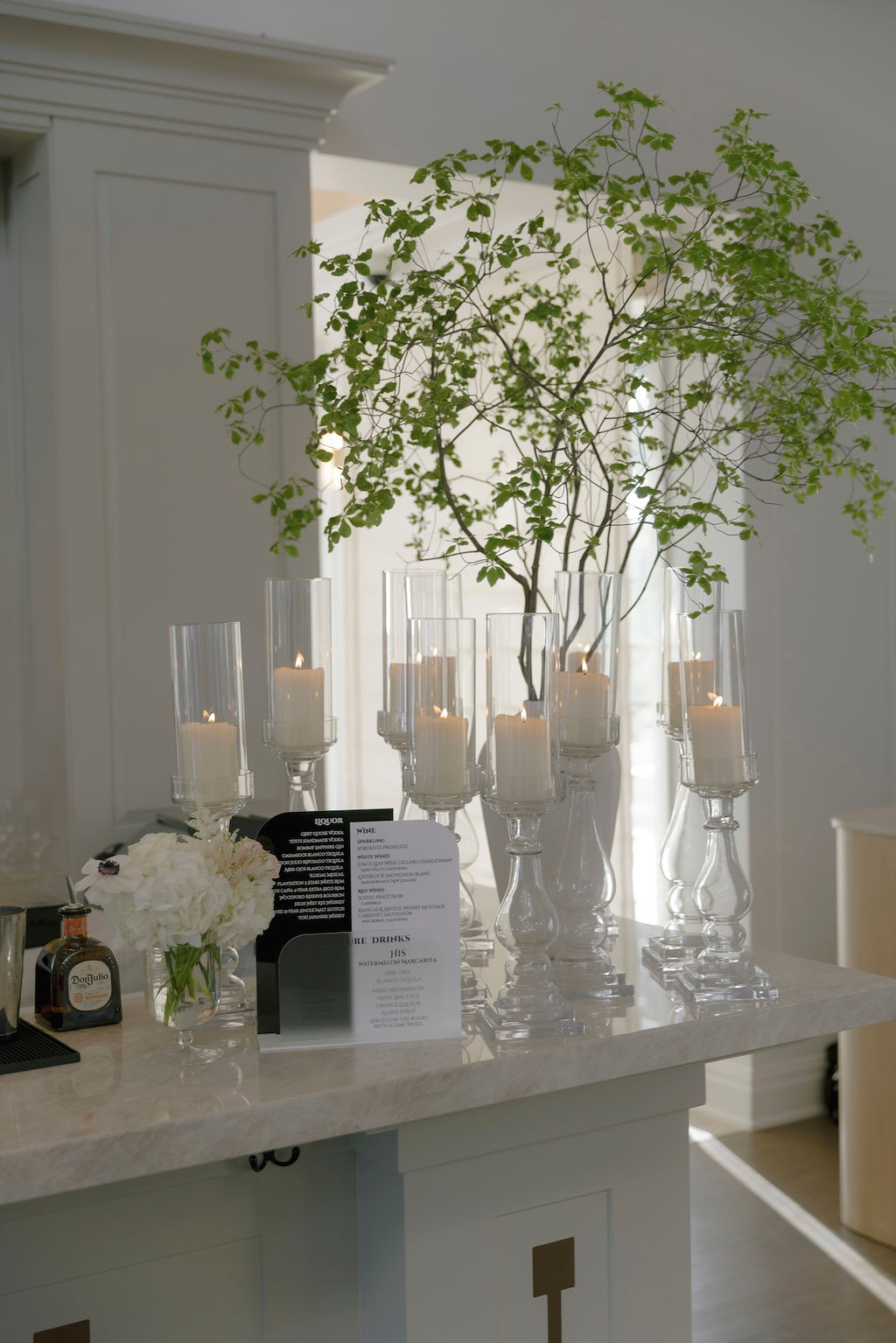
For this celebration, Natalie made the bar the focal point of the entire welcome event, calling an oversized bar a must-have when styling a gathering like this. Because welcome parties are centered around mingling, the bar naturally becomes where everyone gathers, so it should feel just as considered as any other major design feature. In this case, the bar was framed with an arch that highlighted the ocean view beyond it, creating a beautiful visual moment.
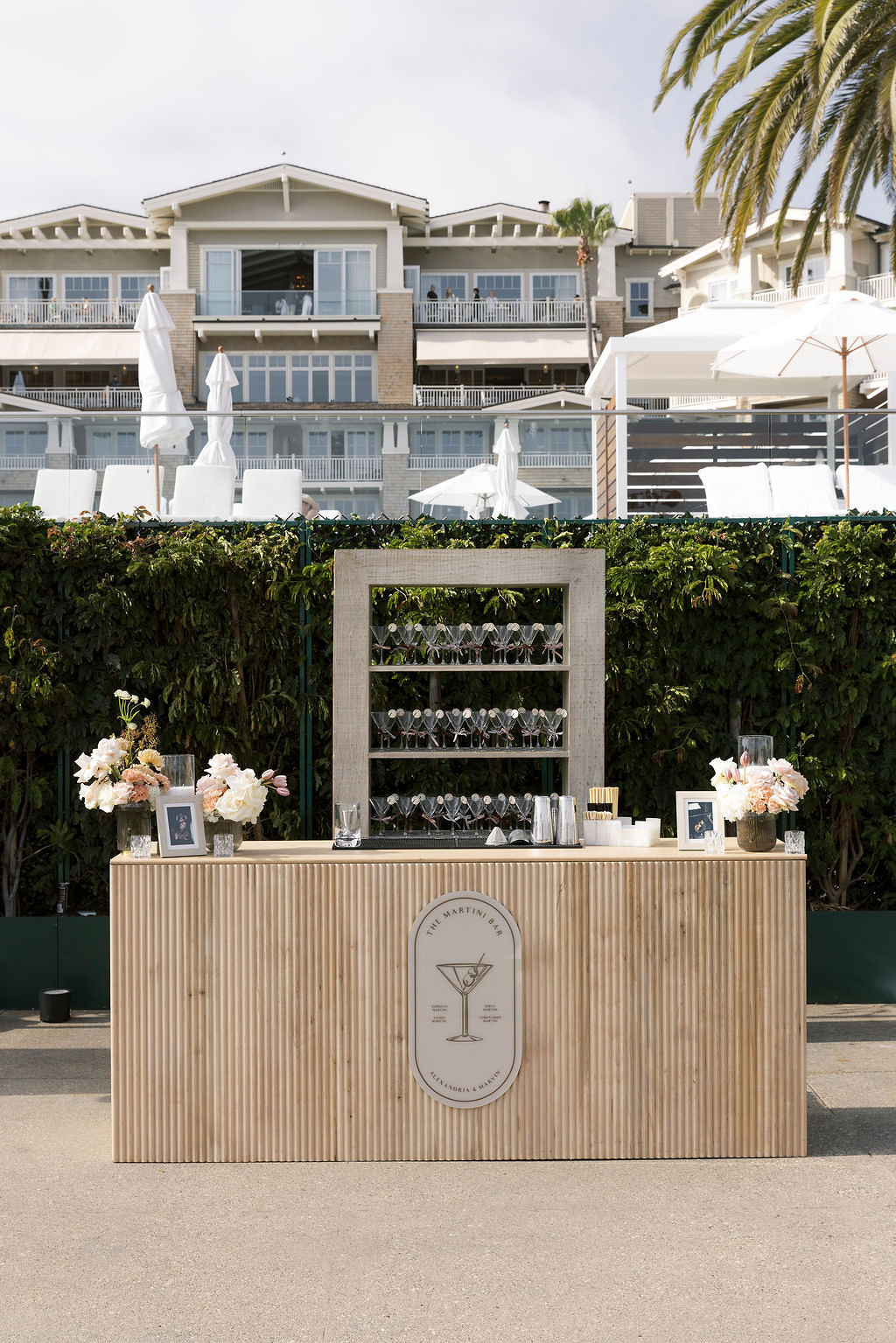
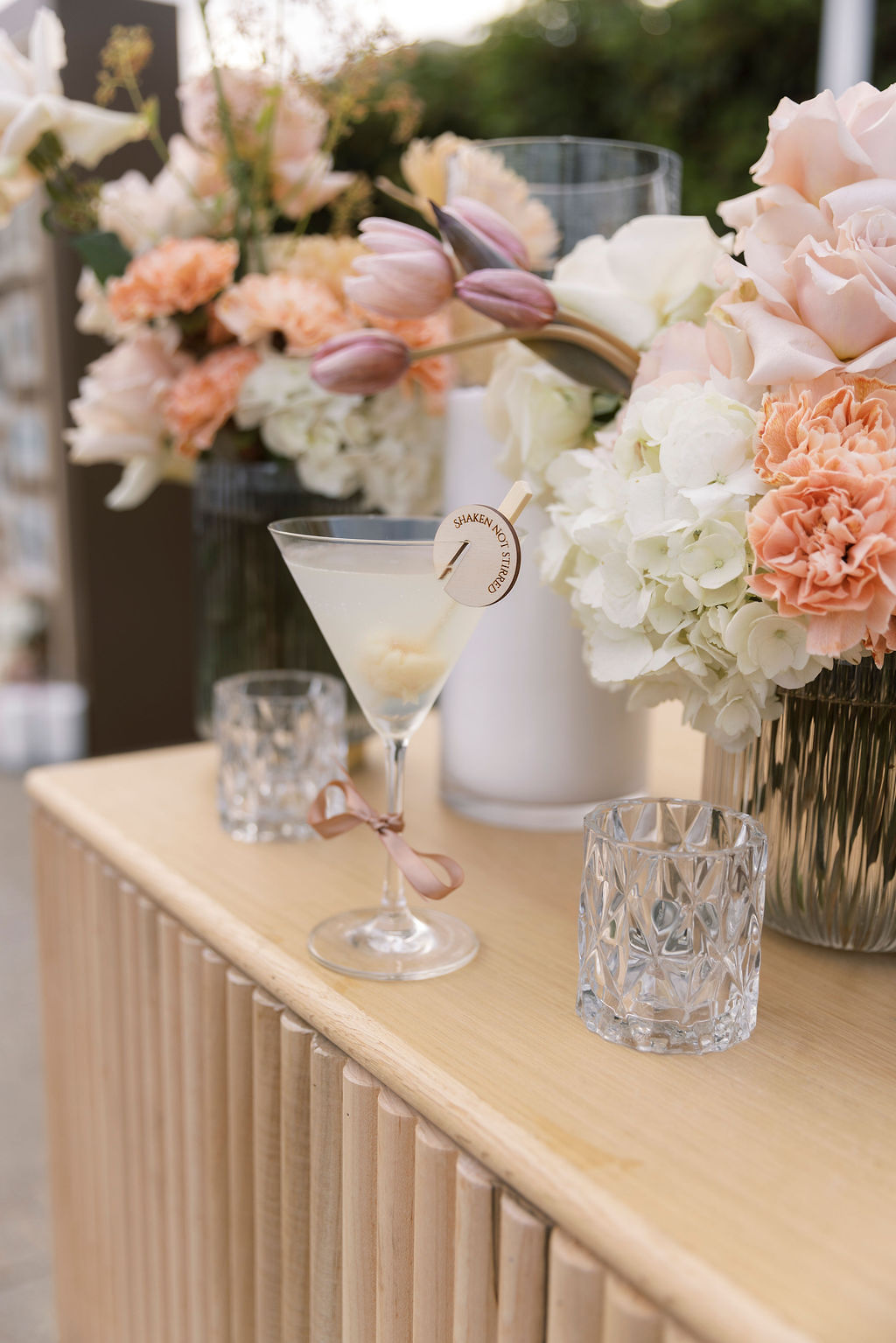
Design With the Setting, Not Against It
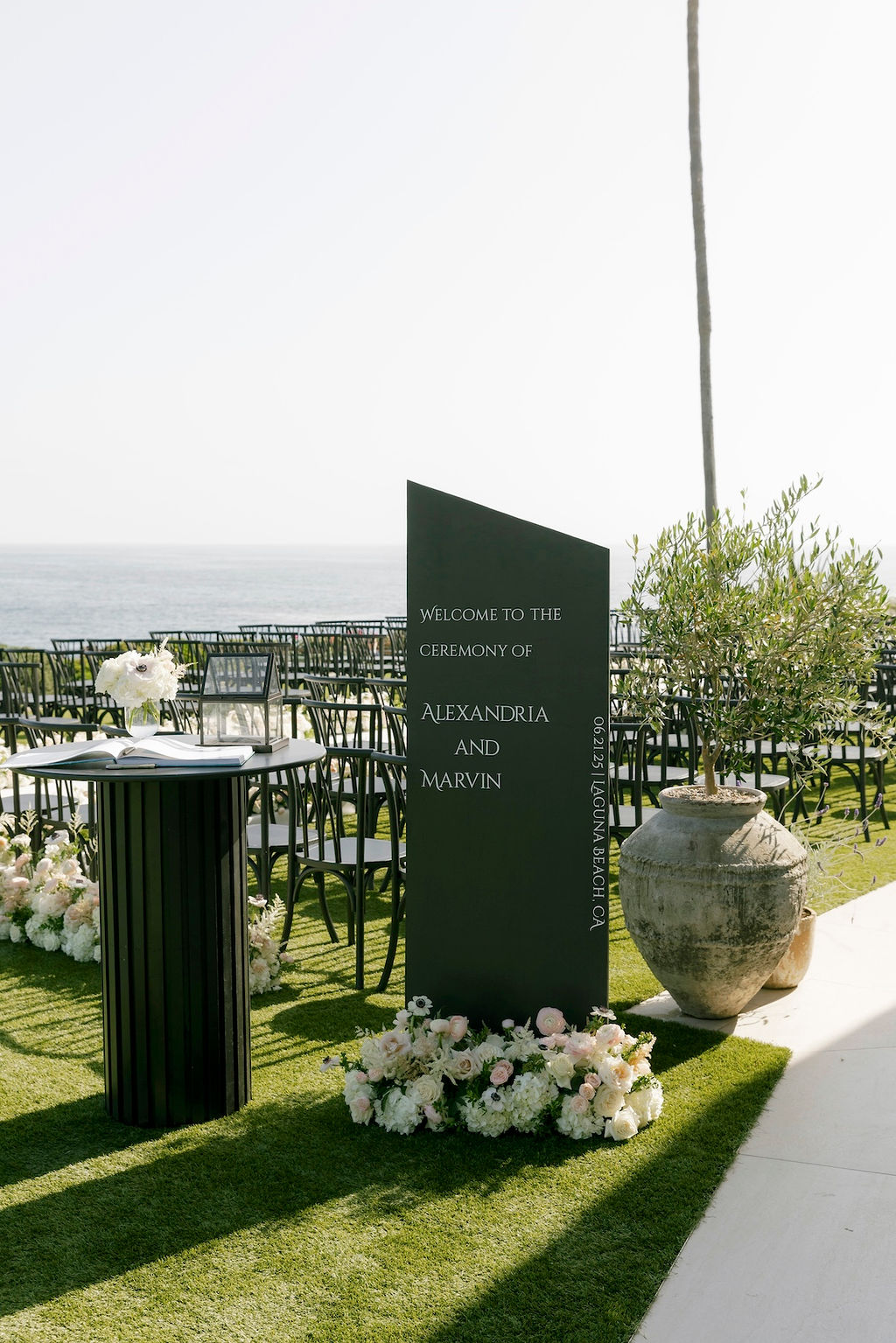
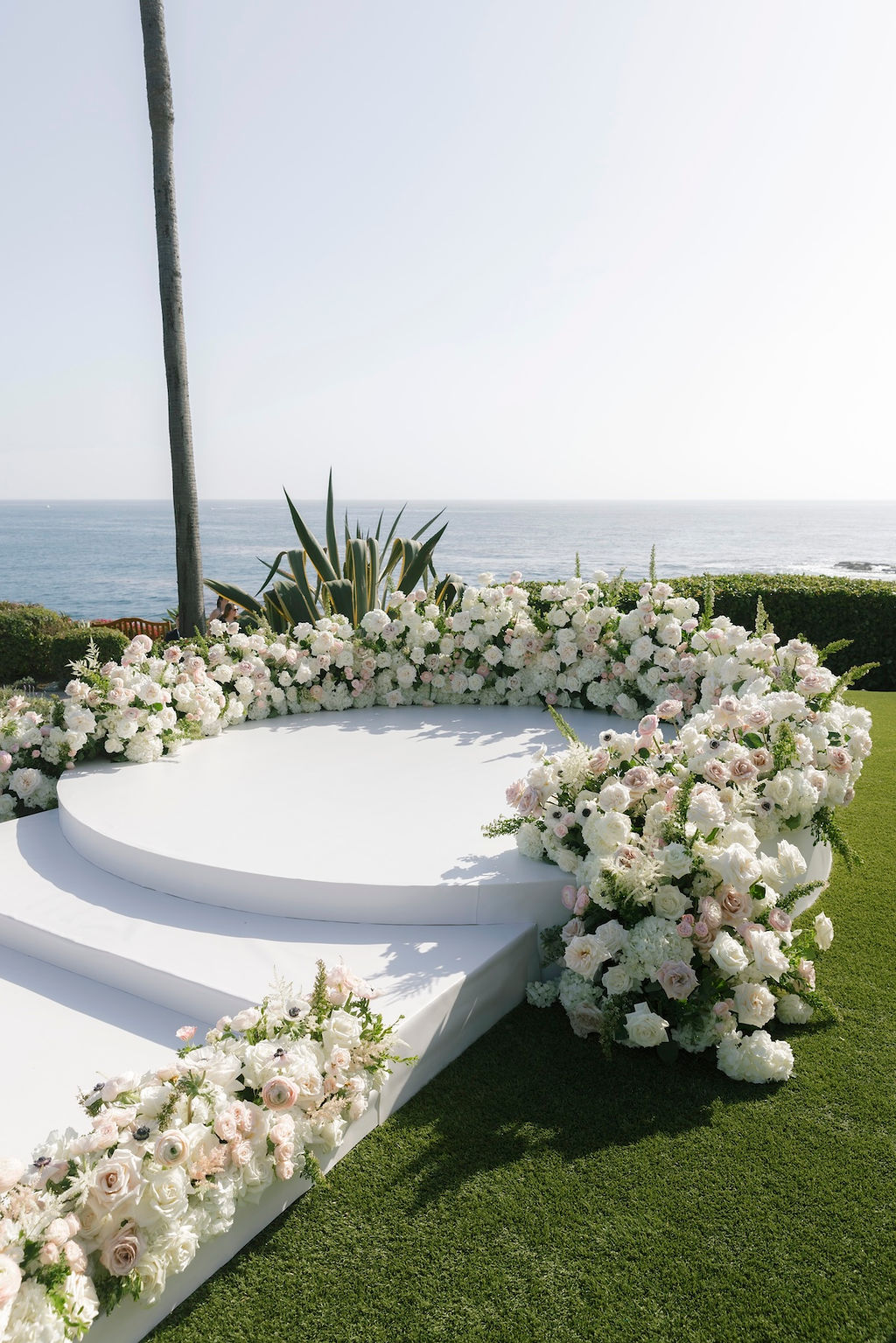
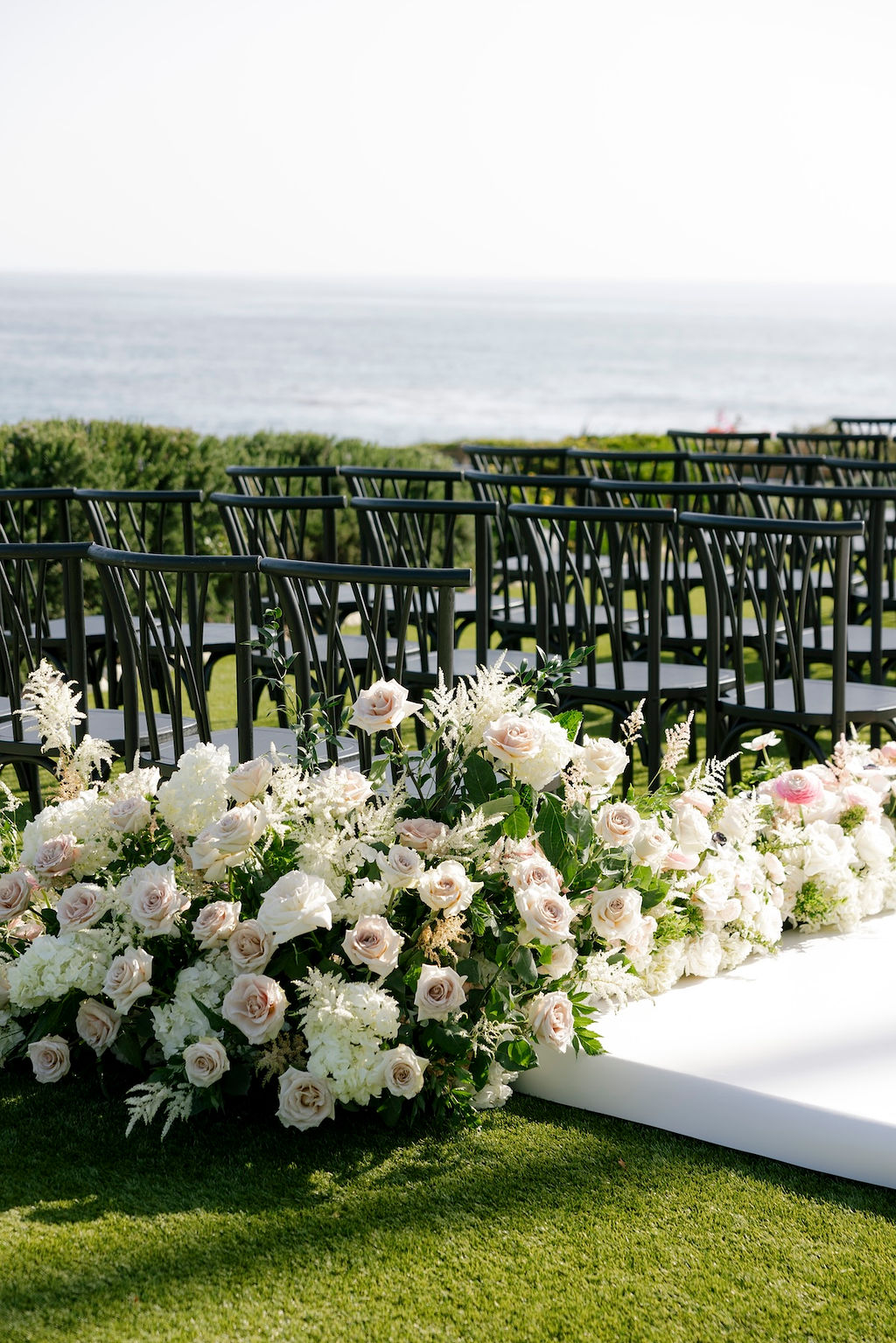
Designing for a venue with a spectacular backdrop can be tricky. When the view is the star, how do you create something memorable without competing with it? Natalie’s answer is to work with the surroundings instead of against them. Rather than trying to overpower the oceanfront setting, she used the design to frame it. This allowed the view to become part of the experience, not just the backdrop behind it.
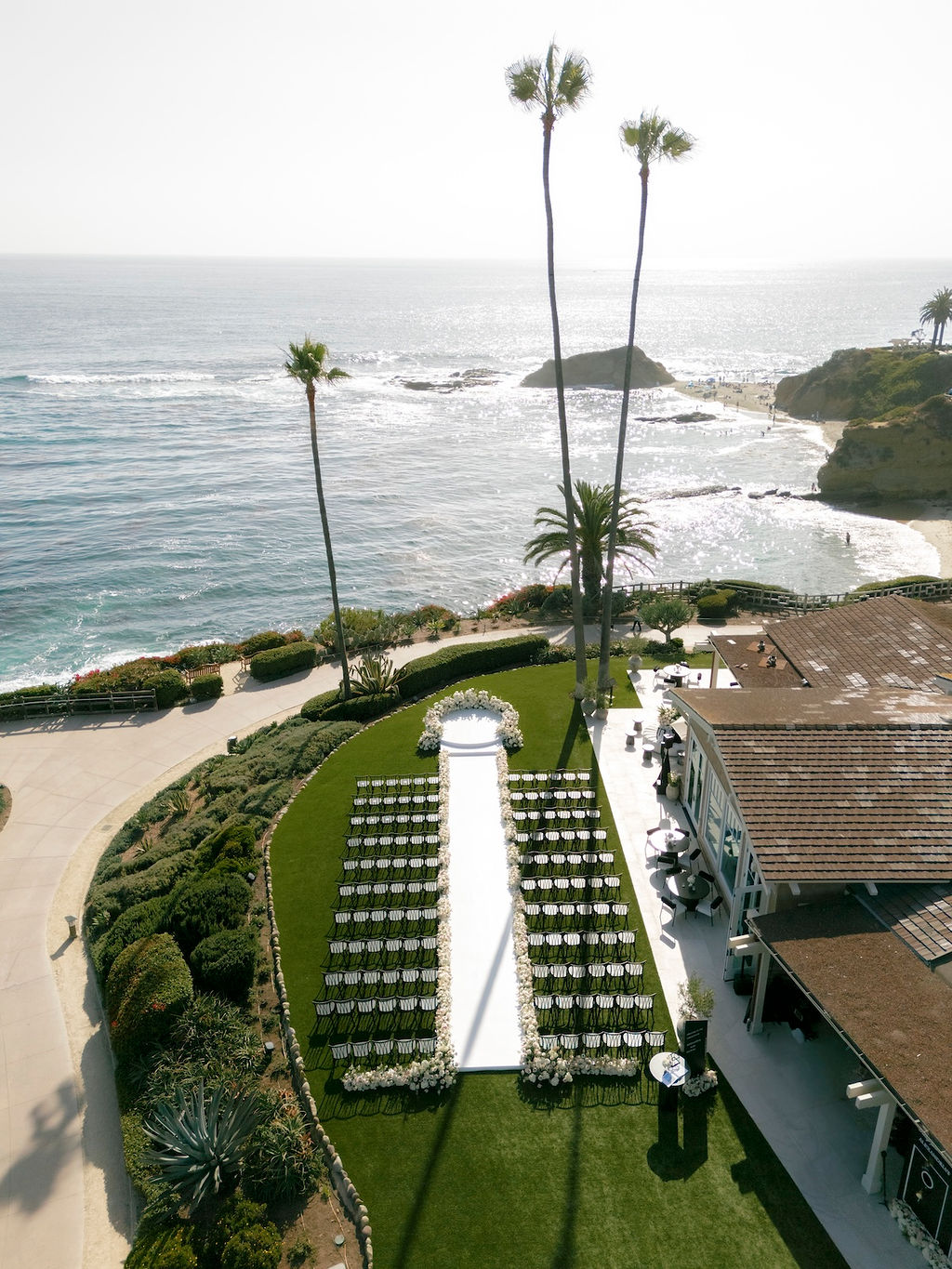
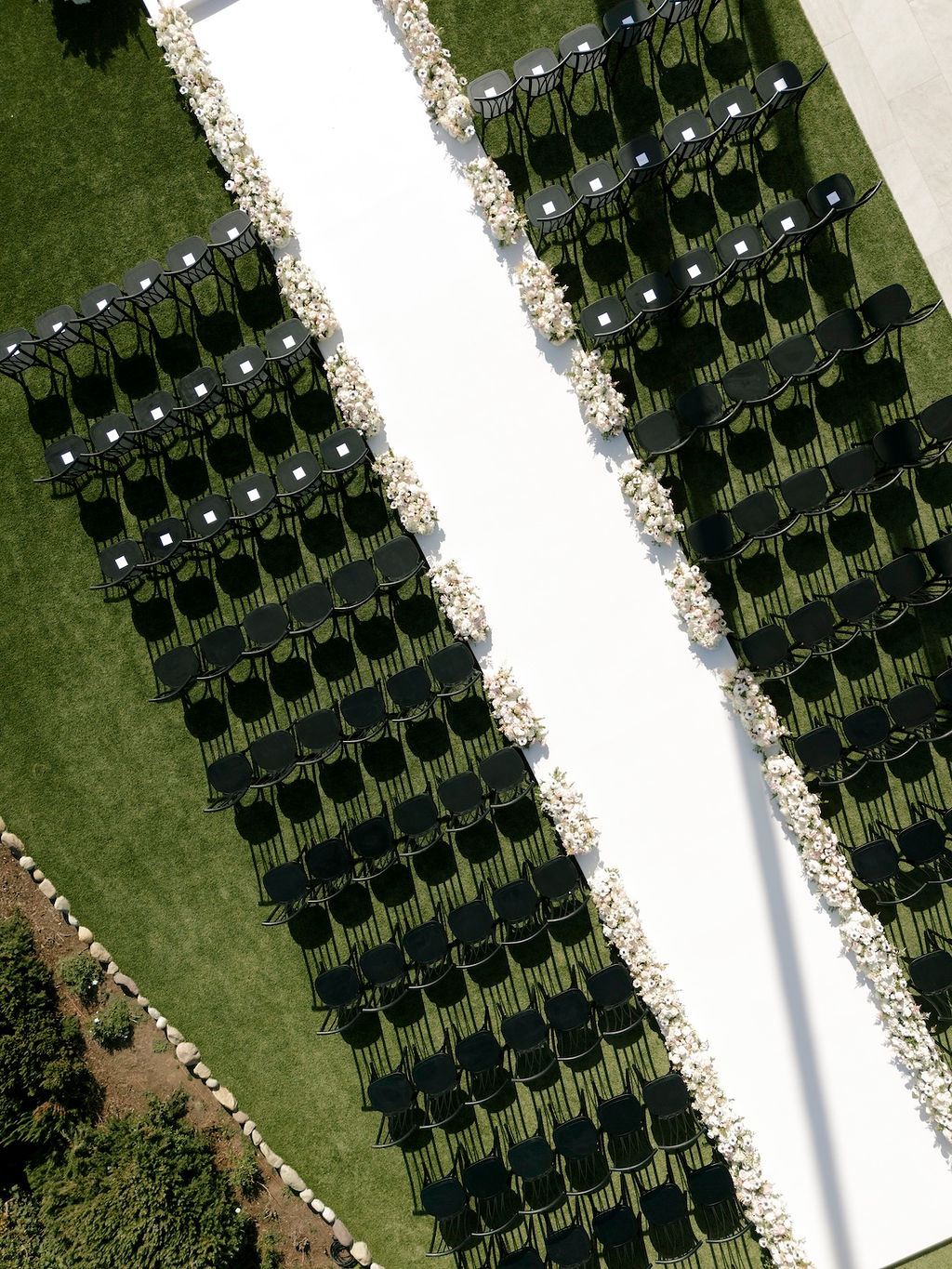
Transforming a Ballroom
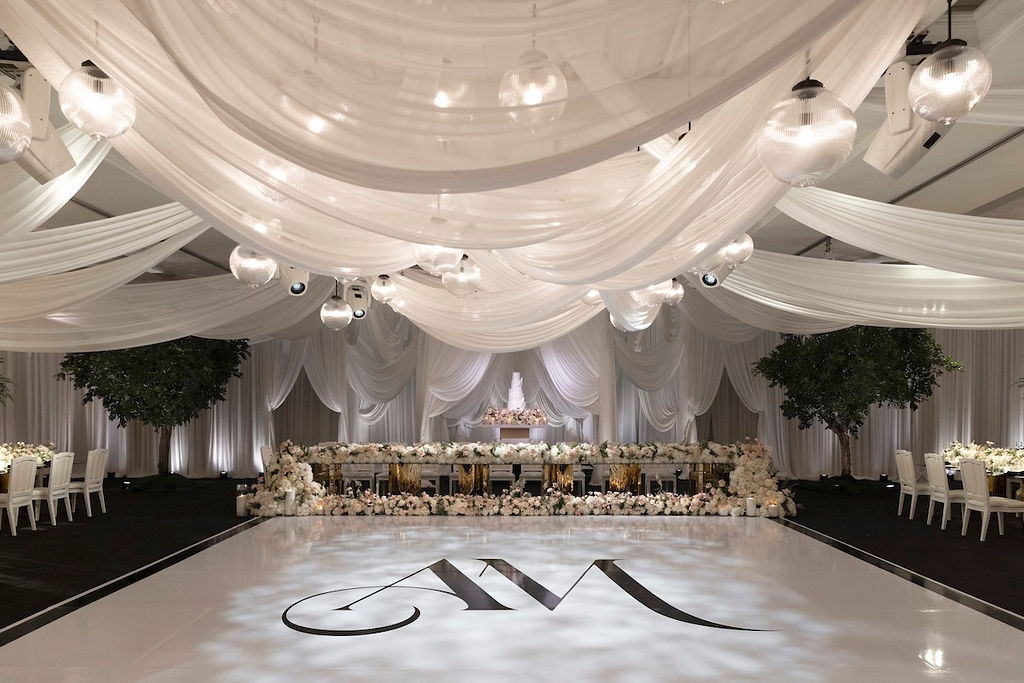
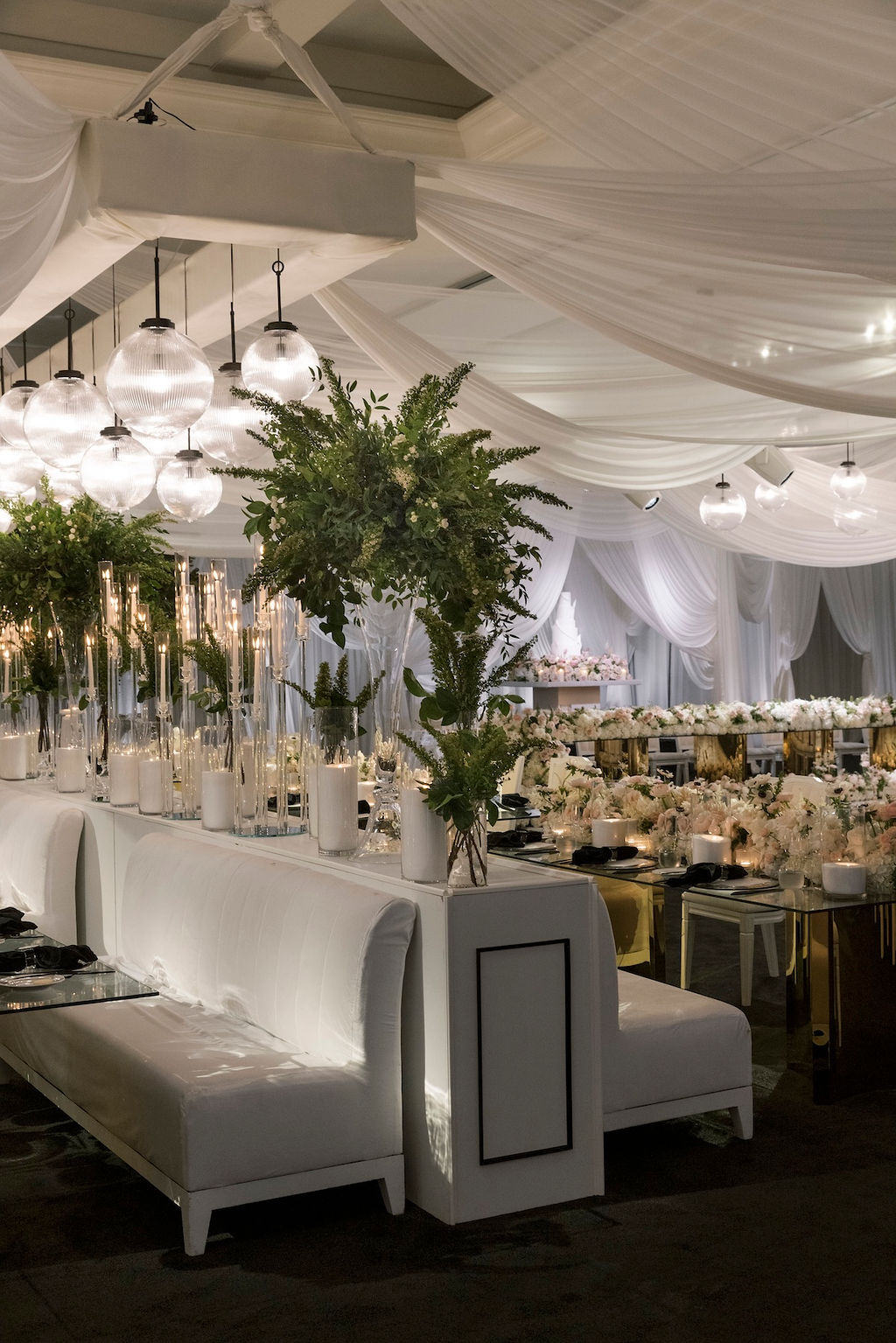
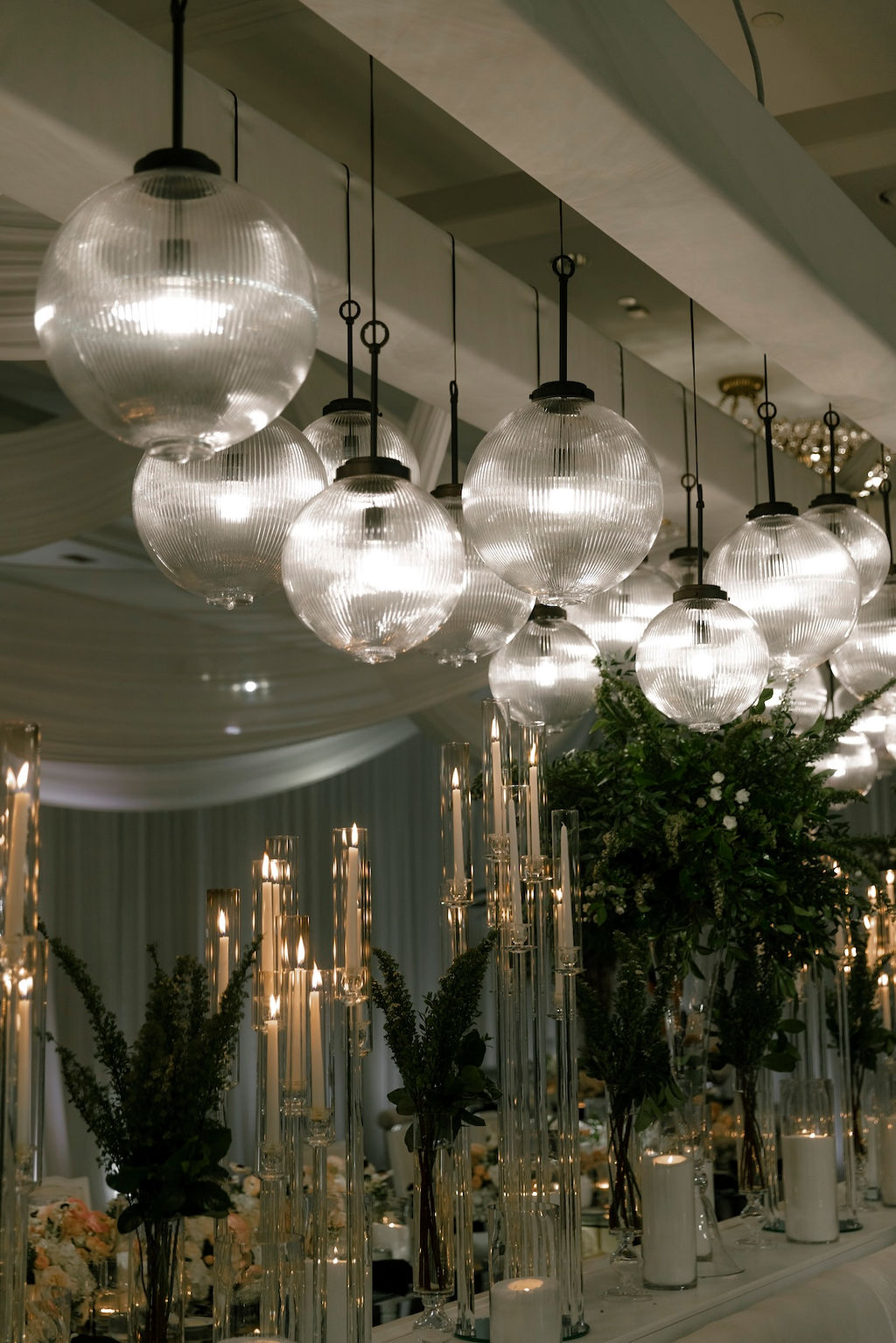
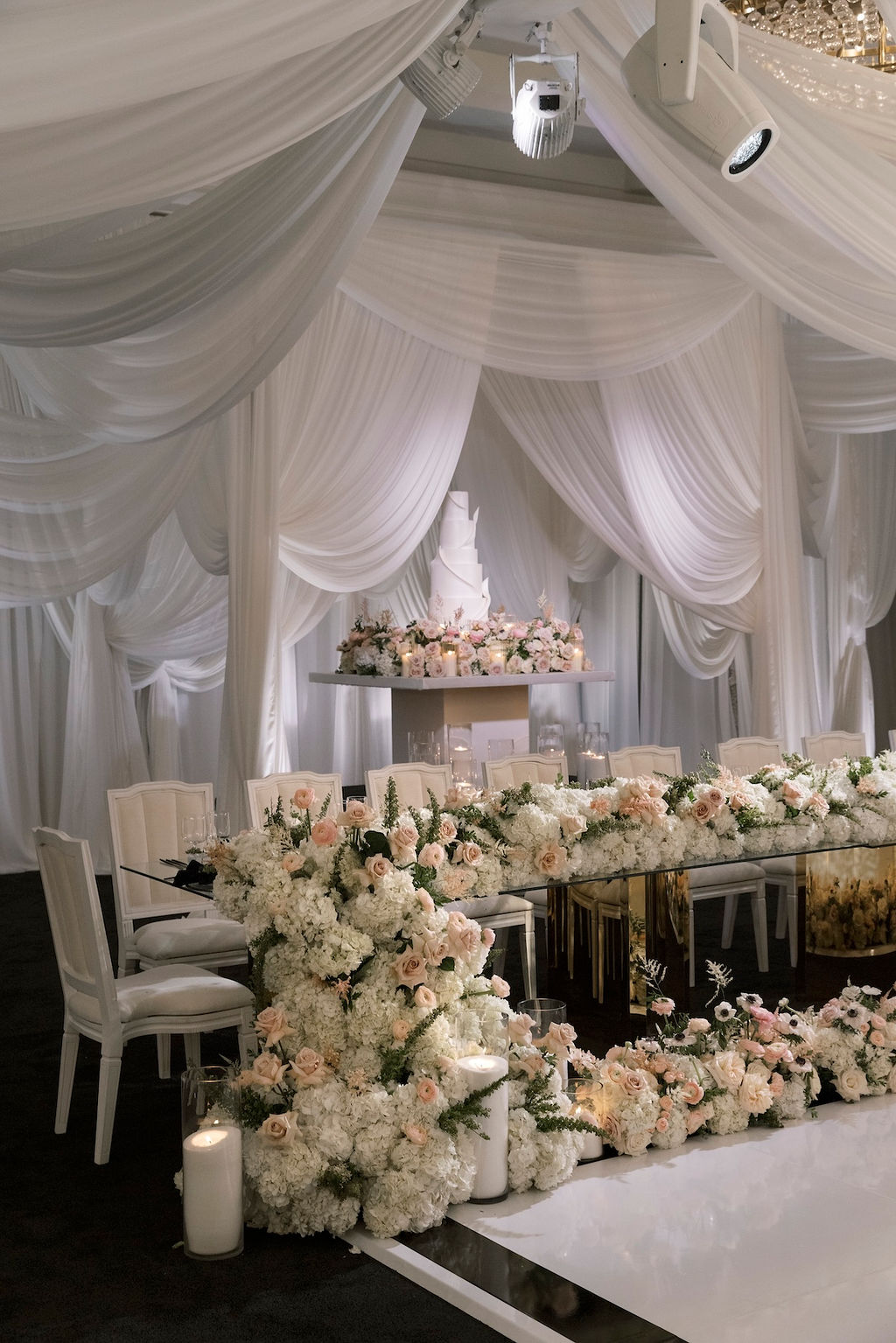
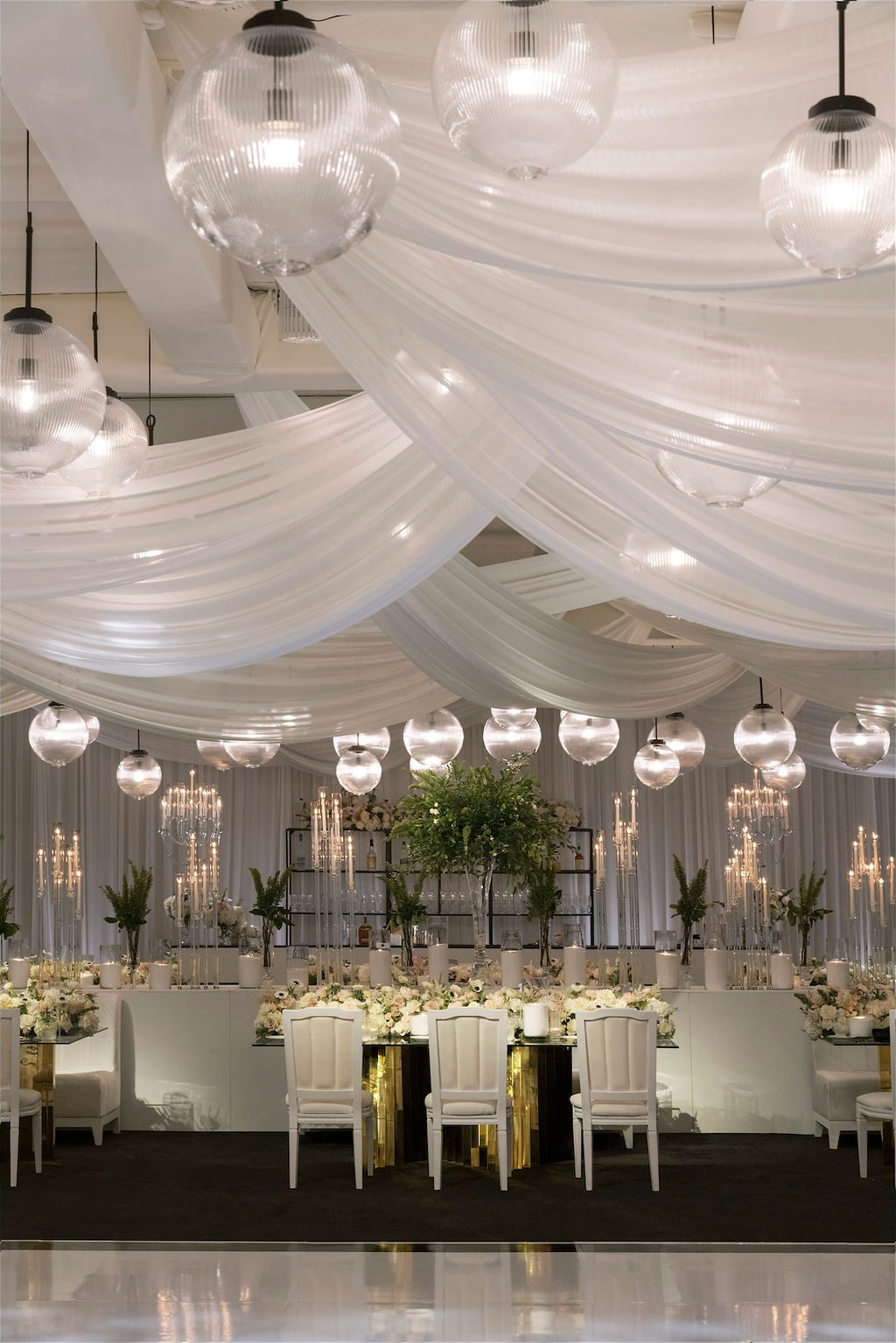
While the welcome party and ceremony felt open and airy, the reception required a very different design mindset. Turning a large ballroom into a space that feels modern is all about scale. Natalie shared that although the room could have held far more guests, you would never know it because every design element was chosen to create balance and visual closeness.
Custom banquette seating grounded the room and made the layout feel modern. Draping and carpeting softened the ballroom’s traditional design, while fabric swagged across the ceiling with suspended light fixtures helped create a layered atmosphere. Together, those elements transformed the space into something dramatic and modern, just as the couple wanted.
The Details Guests Don’t See
Of course, some of the most impressive parts of a wedding weekend are the things guests never notice. For Natalie, one of the most complex design elements to execute was the ceiling swagging in the ballroom. Beautiful in the final reveal, it took significant behind-the-scenes problem-solving to figure out how to install it properly.
And beyond the visible design, there was an entirely separate layer of coordination happening at all times: production schedules, vendor timelines, loading dock logistics, and delivery flow. These operational details may go unseen, but they are often what make the guest experience feel effortless.
So, Where Should Couples Begin?
For couples who are just starting to define their vision, Natalie recommends looking beyond weddings altogether.
Instead of starting with wedding Pinterest boards alone, she encourages couples to think about three to five brands they already love across fashion, interiors, and travel. Pull imagery from those sources and start identifying what draws you in. Is it the palette? The textures? The mood? The balance between minimal and ornate? That kind of inspiration often reveals a much more authentic design direction than simply recreating someone else’s wedding.
At the heart of every beautifully designed wedding weekend is more than just a stunning aesthetic; it’s a clear vision and the expertise to bring every layer together in a way that feels effortless. Natalie Good’s approach to Alex and Marvin’s celebration is a beautiful reminder that the most memorable events are the ones that are thoughtfully considered from beginning to end.
For more expert wedding insight and inspiring celebrations, discover even more on Inspired By This.